
Pipeline systems rarely operate with uniform sizes throughout. There are always points where the pipe diameter needs to change, and how that transition is handled can influence the efficiency of the entire system.
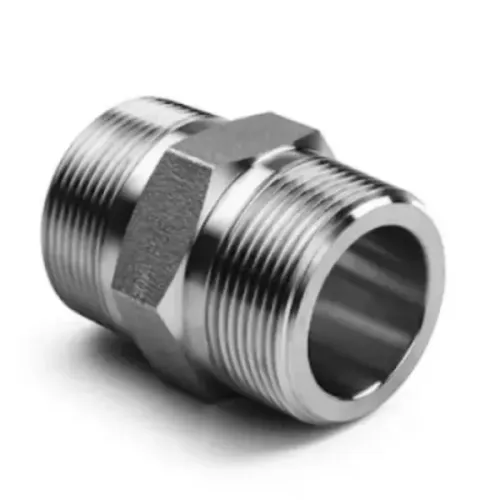
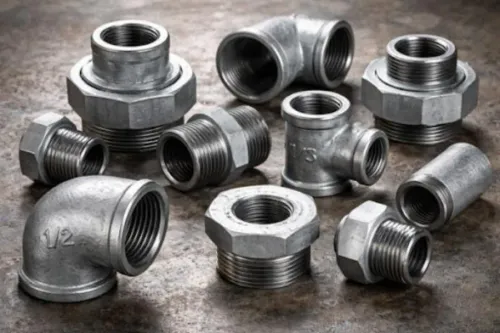
Mild steel reducer sockets are used to connect pipes of different sizes while maintaining flow continuity. When designed and installed properly, they help reduce turbulence and ensure that the transition does not create unnecessary pressure drops.
S A Enterprise, Chakan supports industries where such transitions are a regular part of system design. The emphasis is on selecting reducer sockets that maintain structural strength while allowing a smooth shift between pipe sizes. Because abrupt or poorly aligned transitions can create long-term stress within the pipeline.
One of the common challenges with reducer fittings is uneven flow distribution. If the reduction is not gradual or properly aligned, it can lead to internal disturbances that affect efficiency and increase wear over time.
Another factor to consider is how these fittings behave under varying load conditions. Systems that operate continuously or experience fluctuations in flow need reducer sockets that can handle those changes without compromising stability.
If your pipeline design includes multiple diameter changes, it may be worth reviewing whether the current reducer fittings are supporting smooth transitions. You can connect with S A Enterprise in Chakan to understand suitable options based on your system requirements.
Keywords