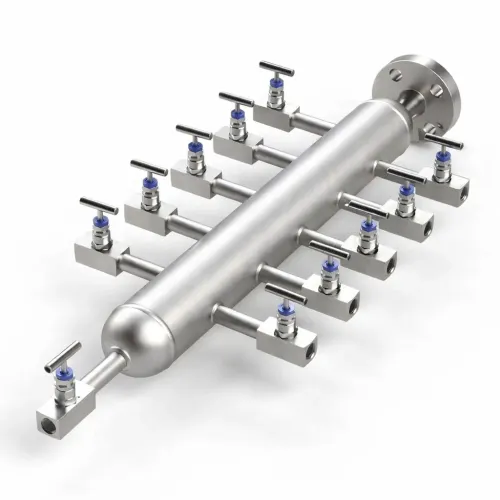
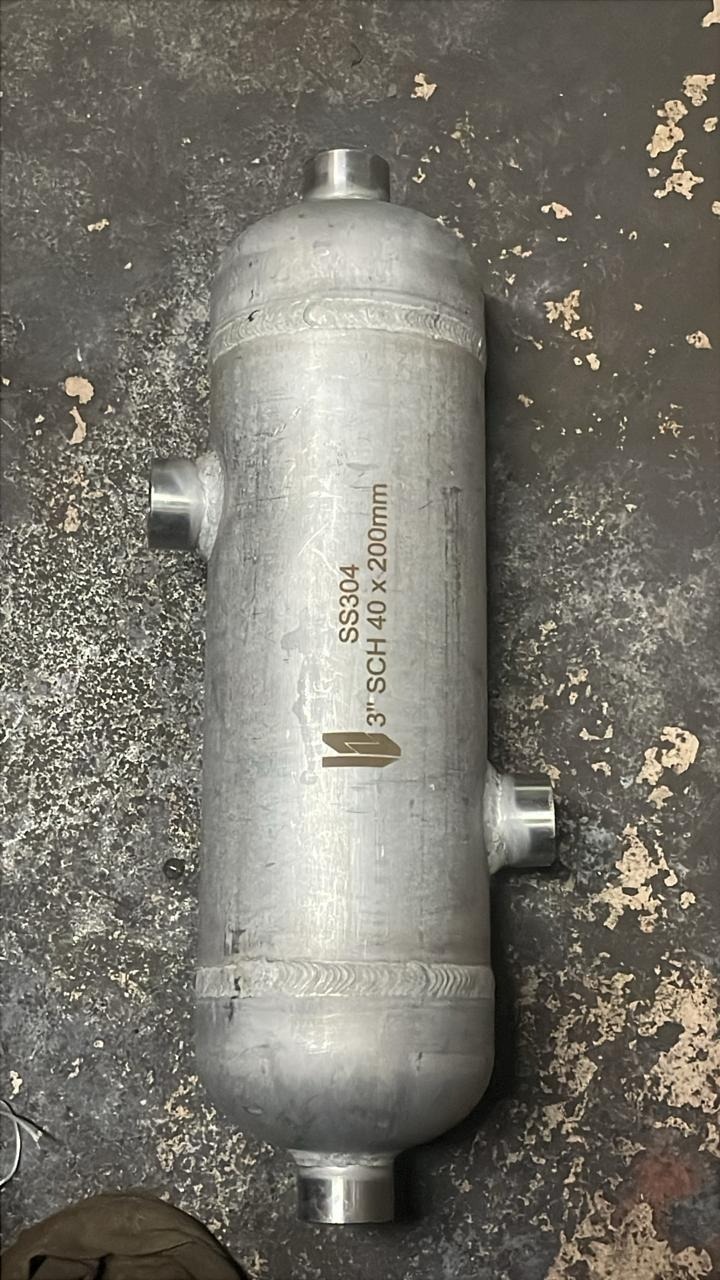
Condensate pots are used in selected instrumentation arrangements where process conditions require a controlled interface between the process line and associated impulse piping or measuring instruments. Their specification should therefore be based on the instrumentation design rather than treated as a generic fabricated vessel.
For process industries evaluating Condensate Pot Manufacturers, design details, material, connections, pressure requirements, and fabrication quality deserve careful review.
Understand the Intended Function
In appropriate steam and vapour measurement applications, a condensate pot can help maintain a condensate interface within impulse lines.
The exact arrangement depends on the instrumentation design and process conditions.
Instrumentation engineers should determine whether a condensate pot is required and how it should be connected within the system.
Connection Layout Matters
Condensate pots can require multiple connections based on the intended piping arrangement.
Connection size, orientation, quantity, type, and location should follow approved drawings.
A component with the correct overall body size but incorrect nozzle orientation may be unusable at the installation stage.
Providing drawings with the enquiry can significantly reduce this risk.
Material Must Suit the Process
Material selection should reflect process fluid, pressure, temperature, corrosion conditions, and the relevant project specification.
Buyers should avoid selecting material solely according to what is immediately available.
Process plants in Pune and Maharashtra may have different material requirements across steam, utility, chemical, and other systems within the same facility.
Fabrication Quality Is Important
A condensate pot forms part of a process-connected system.
Fabrication should therefore correspond with the required engineering and quality specifications.
Depending on the project, buyers may need to consider weld quality, dimensional inspection, pressure testing, surface finish, identification, and supporting documentation.
Requirements should be agreed before fabrication begins.
Prepare a Complete RFQ
When approaching Condensate Pot Manufacturers, provide enough information to enable accurate evaluation.
The enquiry can include:
- Body dimensions
- Material specification
- Design pressure
- Design temperature
- Connection sizes
- Connection types
- Connection orientation
- Applicable drawing
- Testing requirements
- Documentation requirements
- Quantity
Incomplete enquiries often lead to quotations based on assumptions, making later comparisons difficult.
Consider Installation Requirements Early
Instrumentation components frequently occupy constrained areas around process equipment.
Connection orientation and accessibility should therefore be reviewed during design rather than after fabrication.
Maintenance access may also need consideration.
S A Enterprise supports industrial component requirements for engineering contractors and process-sector customers in Pune, including piping and instrumentation-related procurement.
Use Documentation as Part of Supplier Evaluation
For critical industrial projects, documentation can be as important as the physical component.
Buyers should establish what records are required for inspection, project handover, or traceability and ensure the supplier understands those expectations.
The best sourcing decision is consequently based on technical alignment rather than price alone.
A correctly specified condensate pot should correspond with the instrumentation arrangement, process conditions, connection layout, material requirements, and project quality plan.
Providing complete engineering information from the beginning gives manufacturers and suppliers a better opportunity to deliver a component that reaches the site ready for its intended installation.
Keywords