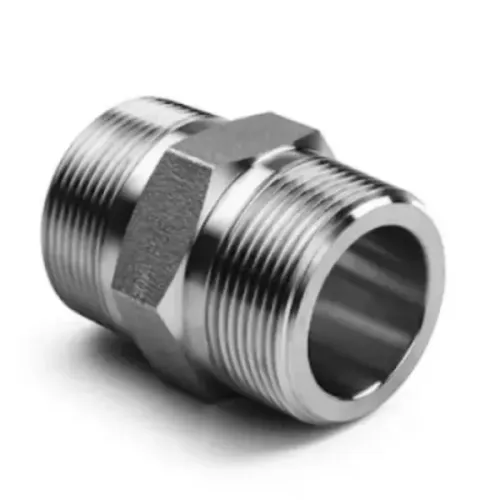
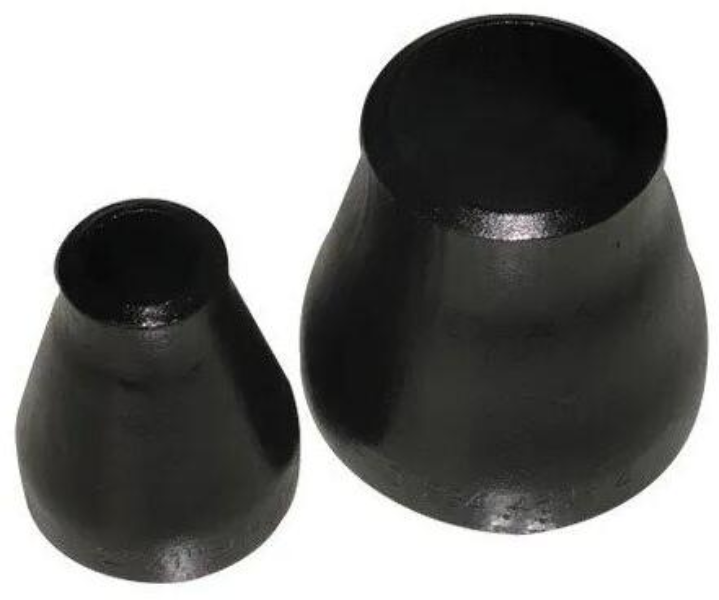
Reducer sockets are relatively small piping components, yet incorrect sizing or thread specifications can interrupt installation work just as easily as a missing valve or flange. Their role is to connect appropriately specified pipe or threaded components of different nominal sizes.
When sourcing from Mild Steel Reducer Socket Manufacturers, industrial buyers should prepare accurate requirements before requesting commercial quotations.
Confirm Both Connection Sizes
A reducer socket has two different nominal connection sizes.
Writing only one size on a purchase request creates ambiguity.
For example, procurement documentation should clearly identify both the larger and smaller connection rather than relying on site teams to explain the requirement after delivery.
This is particularly important when a project uses several reducer combinations.
Verify Thread Specifications
Threaded components must be compatible with the adjoining piping.
Buyers should identify the required thread type or applicable standard according to the project specification.
A fitting should never be accepted merely because it can be partially screwed onto another component. Proper thread engagement is necessary for a correctly assembled connection.
Check Material Requirements
“Mild steel” can still require defined material, manufacturing, dimensional, or finish specifications depending on the project.
Engineering teams should state these requirements clearly.
If the reducer socket will be used in an environment where corrosion is a concern, coating or surface-protection requirements may also need consideration.
Determine Service Conditions
Before finalising the component, review the intended fluid, pressure, temperature, installation environment, and piping specification.
Threaded reducer sockets can be practical for suitable utility and industrial applications, but not every threaded connection is appropriate for every process.
Where service is critical, the responsible engineer should confirm suitability.
Look for Supply Readiness
For contractors, technical compliance is only one part of supplier selection.
A supplier also needs to support practical project requirements such as correct quantities, size combinations, clear identification, documentation where required, and realistic delivery commitments.
This matters in Pune's industrial market, where fabrication and infrastructure schedules can depend on coordinated material availability.
Send a Structured Enquiry
When contacting Mild Steel Reducer Socket Manufacturers, include:
- Larger nominal size
- Smaller nominal size
- Thread specification
- Material requirement
- Finish where applicable
- Quantity
- Intended application
- Required documentation
- Delivery schedule
A structured enquiry reduces back-and-forth communication and makes quotations easier to compare.
S A Enterprise works with industrial contractors, fabrication businesses, and manufacturing customers in Pune requiring piping components according to defined requirements.
Buyers should also inspect delivered material against the purchase specification before releasing it to the installation team. Size identification, visible condition, thread quality, quantities, and supporting documents can be checked at receipt.
This simple receiving process can prevent incorrect reducer sockets from travelling to a project site and being discovered only when installation begins.
Reliable procurement is therefore not simply about finding a supplier with reducer sockets in stock. It is about ensuring that the supplied component matches the intended connection, service conditions, project specifications, and required delivery schedule.
Keywords