Butterfly valves are frequently selected for water systems, utilities, HVAC networks, process piping, and large-diameter pipelines because their compact construction can simplify installation. Their apparent simplicity, however, can make buyers underestimate the importance of specification.
Choosing a Butterfly Valve Manufacturer should begin with the operating conditions and piping configuration.
Understand the Main Valve Configurations
Butterfly valves are available in several body arrangements.
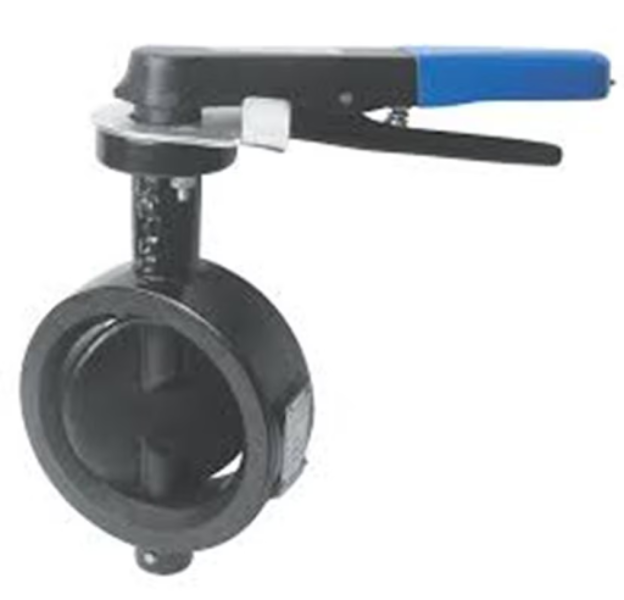
Wafer-style valves fit between compatible pipeline flanges. Lug-style valves incorporate threaded or tapped connection points around the body. Flanged configurations are also used in industrial systems.
The pipeline layout, maintenance philosophy, flange standard, and application determine which design is appropriate.
Seat Material Deserves Attention
The seat is one of the most important components affecting sealing and compatibility.
Different elastomeric and engineered materials can be selected depending on fluid, temperature, and operating environment.
Before purchasing, identify:
- Process medium
- Minimum operating temperature
- Maximum operating temperature
- Pressure
- Expected operating frequency
- Chemical exposure
Providing this information reduces the risk of selecting a seat merely because it is commonly stocked.
Disc Material Should Match the Service
The disc remains exposed to the process fluid and must therefore be evaluated for compatibility.
Different materials or coatings may be specified according to water quality, chemical characteristics, corrosion exposure, and application requirements.
The correct choice depends on the complete service environment.
Manual Operation Is Not the Only Option
Smaller valves may use lever operation, while larger sizes often use gear operators. Automated systems can require electric or pneumatic actuation.
Actuator sizing should account for the torque required to operate the valve under actual system conditions.
Simply attaching an actuator without confirming torque requirements can result in unreliable operation.
Installation Space Can Affect the Decision
One advantage of butterfly valves is their relatively compact body length.
This can be useful in industrial facilities in Pune where equipment layouts, utility rooms, and retrofit projects have limited space.
However, installers must still consider disc clearance. The rotating disc extends into the adjoining piping area during operation and must not interfere with nearby components.
Evaluate Suppliers Using Technical Information
A useful enquiry to a Butterfly Valve Manufacturer should state valve size, body style, pressure requirement, body material, disc material, seat material, shaft requirements, end compatibility, operation method, and quantity.
Where project documentation or inspection is required, those requirements should be communicated before ordering.
S A Enterprise supports valve and piping-component requirements for industrial contractors, engineering companies, and manufacturing facilities across Pune and Maharashtra.
The right butterfly valve is not necessarily the most expensive configuration available. It is the configuration whose body, seat, disc, pressure rating, operating method, and dimensions correspond correctly with the application.
For procurement teams, establishing those requirements before comparing quotations can turn a generic valve purchase into a much more reliable engineering decision.
Keywords