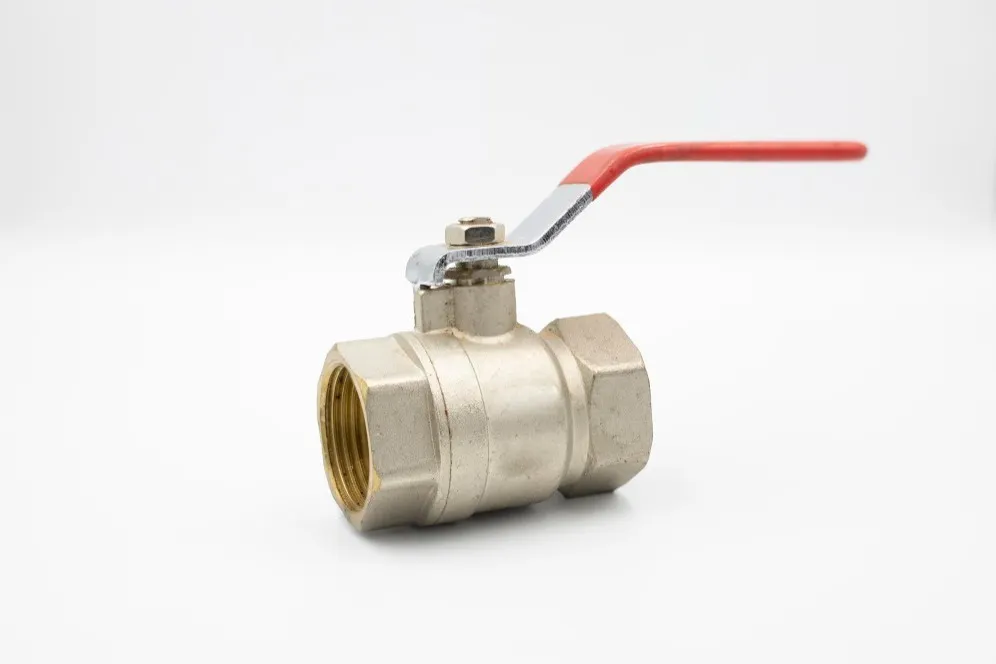
Ball valves are widely used because they provide quick shut-off, compact operation, and relatively straightforward flow isolation. Yet two valves that appear nearly identical can perform very differently once installed.
For procurement teams evaluating Ball Valve Manufacturers, the important question is not simply which supplier can provide the required diameter. Buyers need to determine whether the valve configuration matches the actual process.
Start With the Fluid Being Controlled
Valve selection begins with the medium.
Water, compressed air, oil, gas, steam, chemicals, and process fluids can place different demands on the body, seats, seals, and trim.
The operating temperature is especially important because soft-seat materials have defined temperature and compatibility limitations.
A valve that performs effectively in a water line may therefore be unsuitable for a demanding chemical or high-temperature service.
Compare Bore Configurations
Ball valves may be supplied in full-bore and reduced-bore configurations.
A full-bore design provides an opening closer to the internal diameter of the connecting pipe, which can be advantageous where pressure loss needs to be minimised.
Reduced-bore designs have a smaller internal flow passage and may be appropriate in other applications.
The choice should follow system requirements rather than assuming one design is universally better.
Check Pressure and Temperature Together
A pressure rating should never be interpreted without considering temperature.
Allowable working conditions can change as operating temperature changes, and seat or seal materials can impose additional limitations.
Industrial buyers should compare design conditions against manufacturer data and applicable specifications.
End Connections Influence Installation
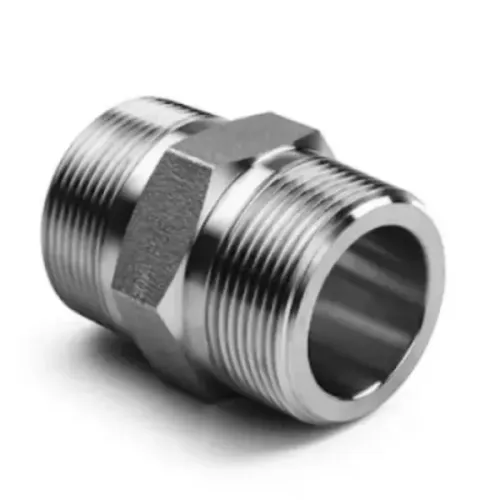
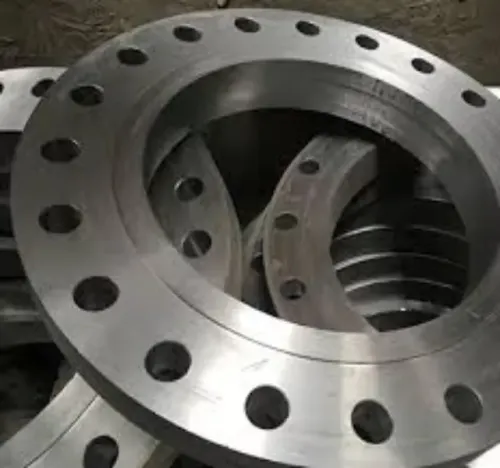
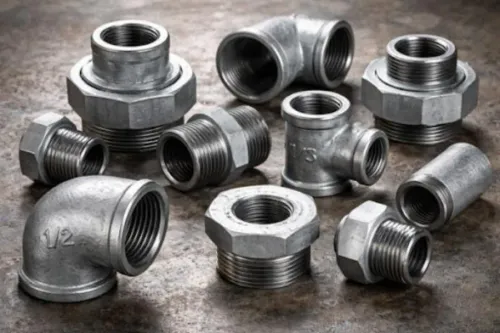
Common arrangements can include threaded, flanged, socket-weld, and butt-weld connections.
The existing piping design usually determines the correct option.
Changing the connection type simply because another valve is readily available can increase fabrication work and potentially conflict with approved piping specifications.
Evaluate Operation Requirements
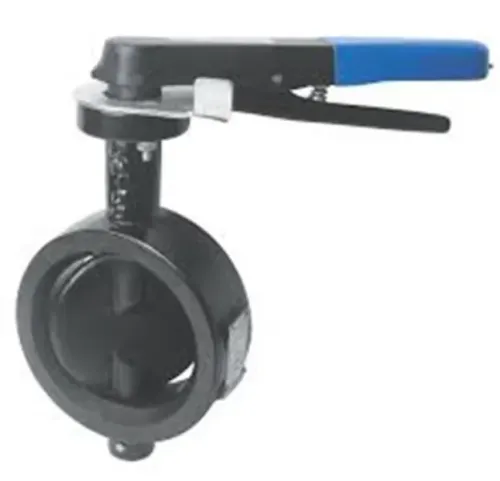
Manual lever operation may be suitable for many isolation points, but automated plants can require pneumatic or electric actuators.
If future automation is expected, buyers should determine whether the selected valve design can accommodate the required actuator arrangement.
This is especially useful for manufacturing and process facilities around Pune that are gradually increasing plant automation.
Ask Better Questions Before Placing an Order
When comparing Ball Valve Manufacturers, procurement teams can use a practical evaluation checklist:
- Does the valve meet the specified material requirement?
- Is the pressure-temperature rating suitable?
- Are seat and seal materials compatible with the fluid?
- Is the correct bore configuration available?
- Does the end connection match the piping system?
- Are testing and documentation requirements understood?
- Can replacement components be sourced where applicable?
S A Enterprise works with industrial buyers in Pune requiring valves and associated piping components for varied project requirements.
Price remains relevant, particularly when purchasing large quantities, but a low unit price can become expensive if the selected valve is incompatible with the line or creates installation changes.
The strongest procurement approach compares technical suitability first and commercial terms second. That gives engineering companies and contractors a more meaningful basis for evaluating ball valves for industrial service.
Keywords