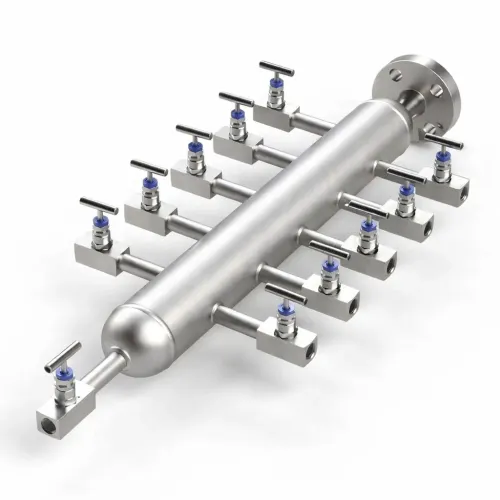
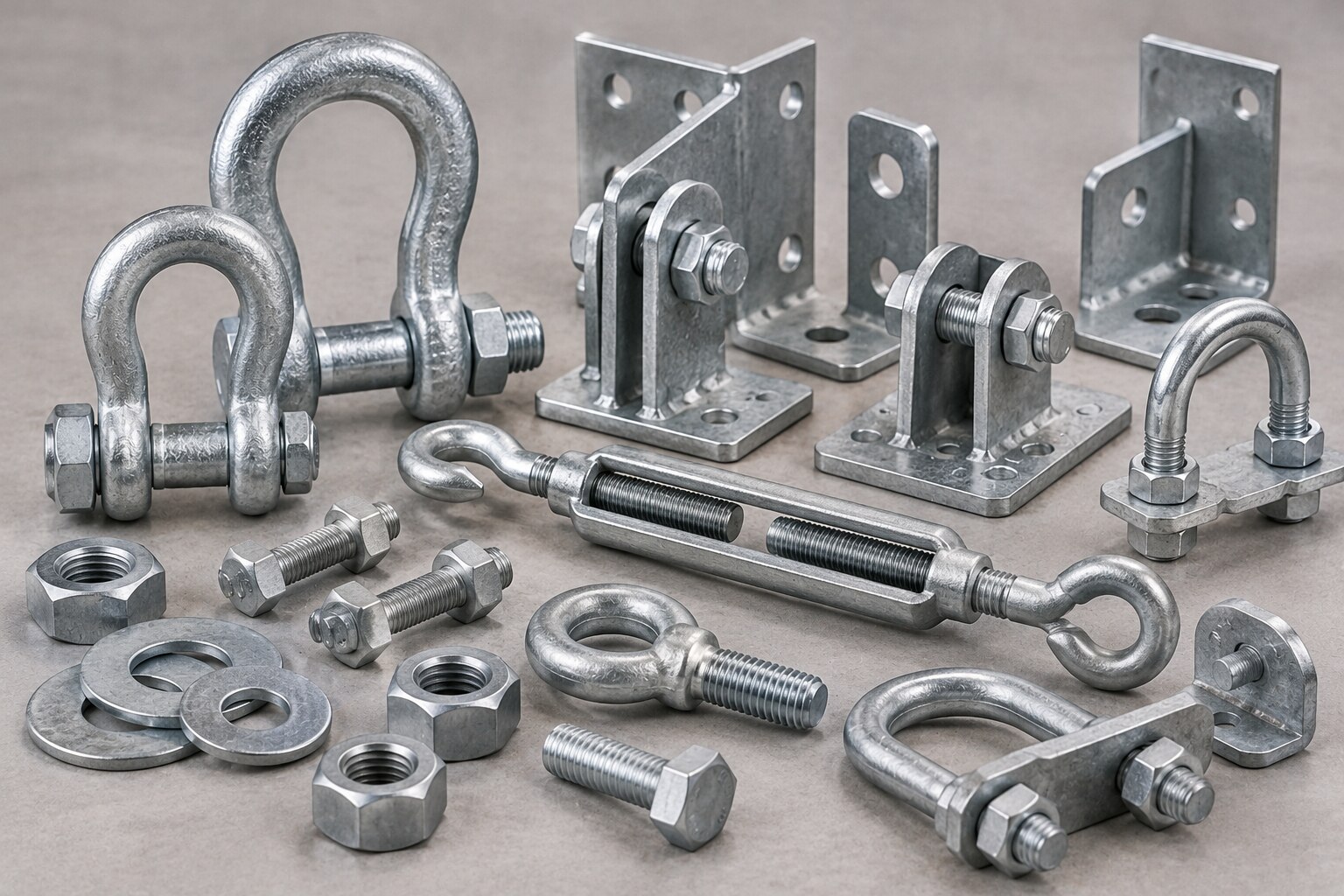
Erection hardware includes the supports, fasteners, sealing items, access components and installation materials that allow a piping or structural system to be assembled safely. The right supplier must match those items to the project’s dimensions, service conditions, documents, delivery sequence and site controls, rather than simply offer catalogue availability.
Key takeaways
- Define every included item before requesting supplier quotations.
- Check dimensions, connection points, and pressure-boundary interfaces against approved drawings.
- Match materials and service conditions to certificates and compliance documents.
- Control substitutions, delivery milestones, and acceptance criteria in the purchase order.
Define the Hardware Scope Before Comparing Suppliers
Erection hardware is the complete set of items needed to install, support, connect, access, and secure a piping system. Define whether the package includes pipe supports, clamps, U-bolts, anchor bolts, fasteners, gaskets, structural connection hardware, access hardware, and installation consumables such as thread sealant or anti-seize.
State separately which items are temporary installation aids and which are permanent components; a clamp or gasket must not replace a specified pressure-boundary fitting, flange, or valve.
| Scope category | Include in the definition | Failure if omitted |
|---|---|---|
| Piping support | Shoes, guides, spring supports, clamps, U-bolts, anchor bolts, support steel | Loads or movement do not match the design |
| Joint hardware | Studs, nuts, washers, gaskets, bolting lubricant | Joint leakage, incorrect bolt engagement, rework |
| Structural and access items | Base plates, connection bolts, ladders, platforms, guards | Site fabrication delays and unsafe access |
| Installation consumables | Sealants, shims, temporary supports, preservation materials | Crews stop work despite delivered equipment |
Put these details in the enquiry for every line item:
- Line class, nominal pipe size, pressure rating, temperature, fluid, material grade, connection type, corrosion environment, and design code.
- Drawing or isometric number, bill-of-material line, flange drilling, pipe outside diameter, thread form, bolt diameter and length, gasket dimensions, and valve face-to-face dimension.
- Quantity, finished-stock status, inspection and document requirements, required delivery sequence, project site location, and any kitting or tagging instructions.
For large flanges, name ASME B16.5 or ASME B16.47; “ANSI flange” is not precise enough.
Check Every Interface Against Drawings and Pressure-Boundary Requirements
Confirm fit from the latest approved isometrics, general-arrangement drawings, line class and bill of materials—not from a supplier’s catalogue description. Check nominal pipe size, pipe outside diameter, flange drilling, facing, bore, thread form, bolt diameter, bolt length, gasket dimensions and valve face-to-face dimension against each mating connection.
Use the governing flange standard and complete designation. ASME B16.5 covers NPS 1/2 through NPS 24; ASME B16.47 covers NPS 26 through NPS 60. Record the standard, NPS, pressure class, material grade, facing and bore, because Class 300 alone does not establish interchangeability or allowable pressure at the design temperature.
Classify every supplied item before approval:
- Mark valves, flanges, fittings, pipe and gaskets as permanent pressure-boundary components; require the specified grade, product standard, dimensions, heat or cast number and inspection certificate.
- Mark alignment pins, temporary studs, lifting attachments, erection clamps and other installation aids as non-pressure-boundary items; prevent them from appearing as permanent line components in the material take-off.
- For spiral-wound gaskets, verify ASME B16.20 dimensions plus winding metal, filler, inner ring, outer ring, facing, temperature and fluid compatibility. Equal dimensions do not make a changed filler or winding metal acceptable.
- Match bolting to the approved joint procedure. Bolt diameter alone cannot determine preload; friction, lubrication, coating, gasket seating stress and tightening sequence affect the result.
- Require pressure-boundary items to carry traceability that matches the delivered item, with EN 10204 Type 3.1 or Type 3.2 stated in the purchase documents.
Match Materials, Service Conditions and Compliance Documents
A technically suitable supplier identifies each pressure-boundary item by material grade, heat or cast number, product standard, dimensions and inspection certificate. “Stainless steel” and “forged” are not material identification. Match permanent markings on the item to the documents before installation.
- Request ASTM material certificates showing chemistry, mechanical results, heat treatment and heat number. Require EN 10204 Type 3.1 when the manufacturer’s inspection department must certify results independently of production; specify Type 3.2 when purchaser or third-party witnessing is required.
- Define sour-service conditions under the applicable edition of NACE MR0175/ISO 15156. Require evidence covering hardness, heat treatment, cold work, chloride, temperature and H₂S conditions; corrosion-resistant stainless steel alone proves nothing.
- For flanges, require the complete designation: ASME B16.5, NPS, pressure class, material grade, facing and bore. Class 300 is not a universal pressure rating; material group and temperature change the allowable pressure.
| Supplier wording | Evidence to demand | Reject when |
|---|---|---|
| “ANSI flange” | Governing standard, NPS, drilling, facing and rating | The standard is missing, especially above NPS 24, where ASME B16.47 may apply |
| “Certified valve” | Certificate, test report, heat traceability and licensed scope | An API Monogram is presented as blanket approval rather than verified for the product and manufacturing site |
| “Available” | Finished, dimensionally compliant stock with complete documents | The item is raw forging, mill stock, reserved stock or needs machining, coating, testing or certification completion |
Test Supplier Capability Against the Project Delivery Plan
A catalogue showing “available” does not prove the item can meet your release date. Before ordering, require a line-by-line delivery commitment tied to the project schedule, not a verbal estimate.
1. Ask the supplier to classify every item as finished, dimensionally compliant stock; project-reserved stock; mill stock; raw forgings; or material requiring machining, coating, testing or document completion. Record quantity, heat number where available, release date and the consequence of a shortfall.
2. Set a documentation register with document numbers, revision status and submission dates. For valves, name API 598 and require shell, backseat where applicable, and closure-test results with acceptance criteria; do not accept a generic hydrotest certificate.
3. Require kitting by line, spool or equipment tag, with each package containing the approved quantity, fasteners, gaskets and identification labels. Define whether partial delivery is permitted, which lines take priority, and how missing pieces will be reported before site installation stops.
4. Agree the inspection route before manufacture or dispatch. Identify hold points, witness points, independent inspector access, PMI sampling or 100% examination under the project’s material-verification plan, and the records that accompany each release.
5. Put replacement handling in writing: response time, investigation of wrong or damaged items, freight responsibility, quarantine tags and replacement-document requirements. For site support in Pune, ask Welcome To S A Enterprise who will resolve a fit-up shortage, identify substitutes and reach the site, rather than assuming the sales contact covers installation problems.
Confirm approved-vendor status with the project’s current AVL, including the exact product scope; approval of a trader does not automatically approve every manufacturer or item.
Related products
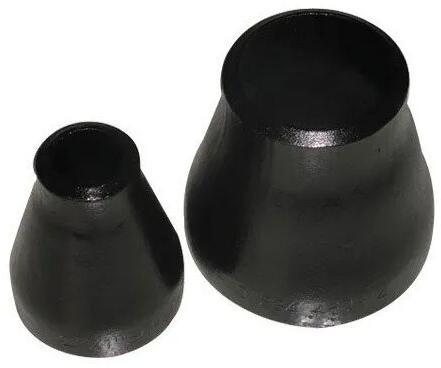 | Mild Steel Reducer Socket Mild Steel Reducer Socket View product → |
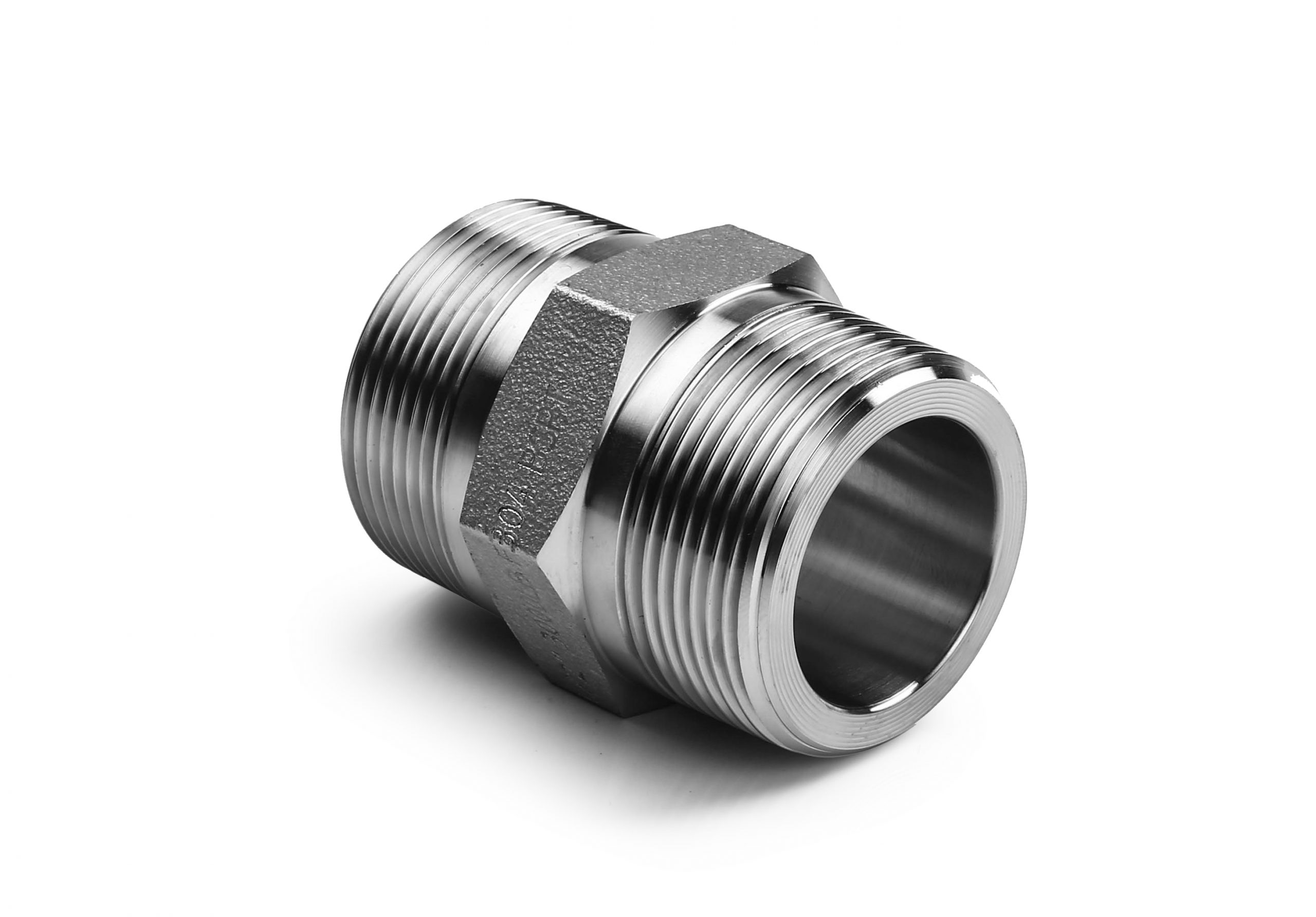 | VS Threaded Fittings VS Threaded Fittings View product → |
Write a Purchase Order That Controls Substitution and Final Acceptance
Make the purchase order the acceptance rule: no substitute, alternate manufacturer, material grade, coating, dimension, or test method is allowed without written engineering approval before dispatch. State the governing drawing, line class, revision, inspection hold points, certificate level, and rejection rights.
1. Valves: identify type, size, rating, end connection, face-to-face dimension, body and trim materials, and manufacturer. Require API 598 shell, backseat where applicable, and closure tests with acceptance criteria on the certificate. For fire-safe service, require API 607 evidence; for fugitive emissions, specify the ISO 15848-1 classification and ISO 15848-2 acceptance test, not “low emission.”
2. Gaskets: specify type, filler, winding or jacket material, dimensions, pressure-temperature rating, and lot traceability. Reject damaged, compressed, wet, or unmarked gaskets.
3. Threaded connections: state thread form, diameter, pitch, length, material, coating, engagement, and sealant compatibility. Quarantine mixed thread standards, damaged threads, and unmarked fasteners.
4. Alloy items: require heat or cast traceability, grade, product standard, dimensions, and EN 10204 Type 3.1 or 3.2 certificates. Apply the project PMI plan under API RP 578, including sampling or 100% examination and alloy acceptance ranges.
5. Special-service hardware: state the service envelope and require wetted-material compliance with NACE MR0175/ISO 15156, including hardness and heat-treatment evidence where specified. Receiving inspection should reconcile markings, quantities, dimensions, certificates, test results, and PMI records before release; segregate discrepancies for disposition.
Frequently asked questions
What should an erection hardware package include?
Define whether the package includes pipe supports, clamps, U-bolts, anchor bolts, fasteners, gaskets, structural connection hardware, access hardware, thread sealant, and anti-seize.
How do you check erection hardware against project requirements?
Compare each item’s dimensions, connection points, and pressure-boundary interface with approved piping, structural, and equipment drawings.
Which material and compliance details should you verify?
Match material grades and service conditions to the project specification, then request the required certificates, test records, and compliance documents.
How can a purchase order control supplier substitutions?
State that substitutions require written approval, identify delivery milestones, and define the documents and inspection results required for final acceptance.
Related products
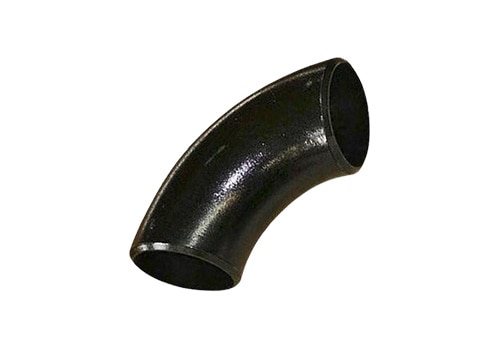 | Buttweld Pipe Fittings Carbon Steel Elbow View product → |
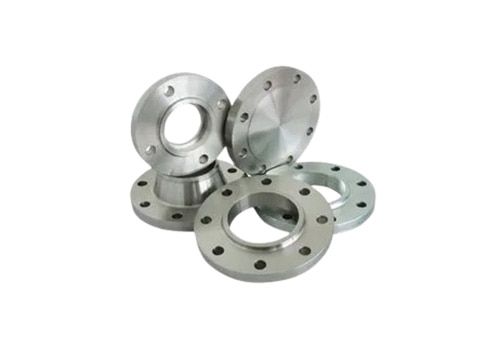 | Flanges Mild Steel Flanges View product → |
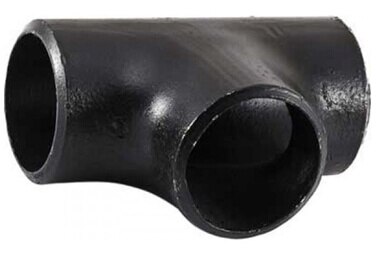 | Mild Steel Tee Mild Steel Tee View product → |
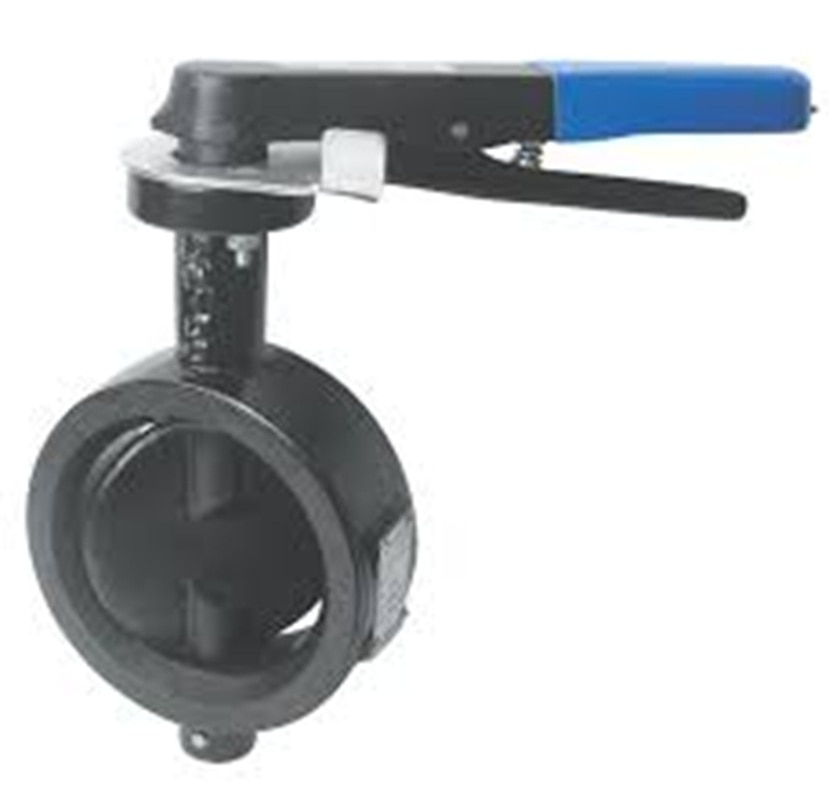 | CI Valves Butterfly Valve View product → |