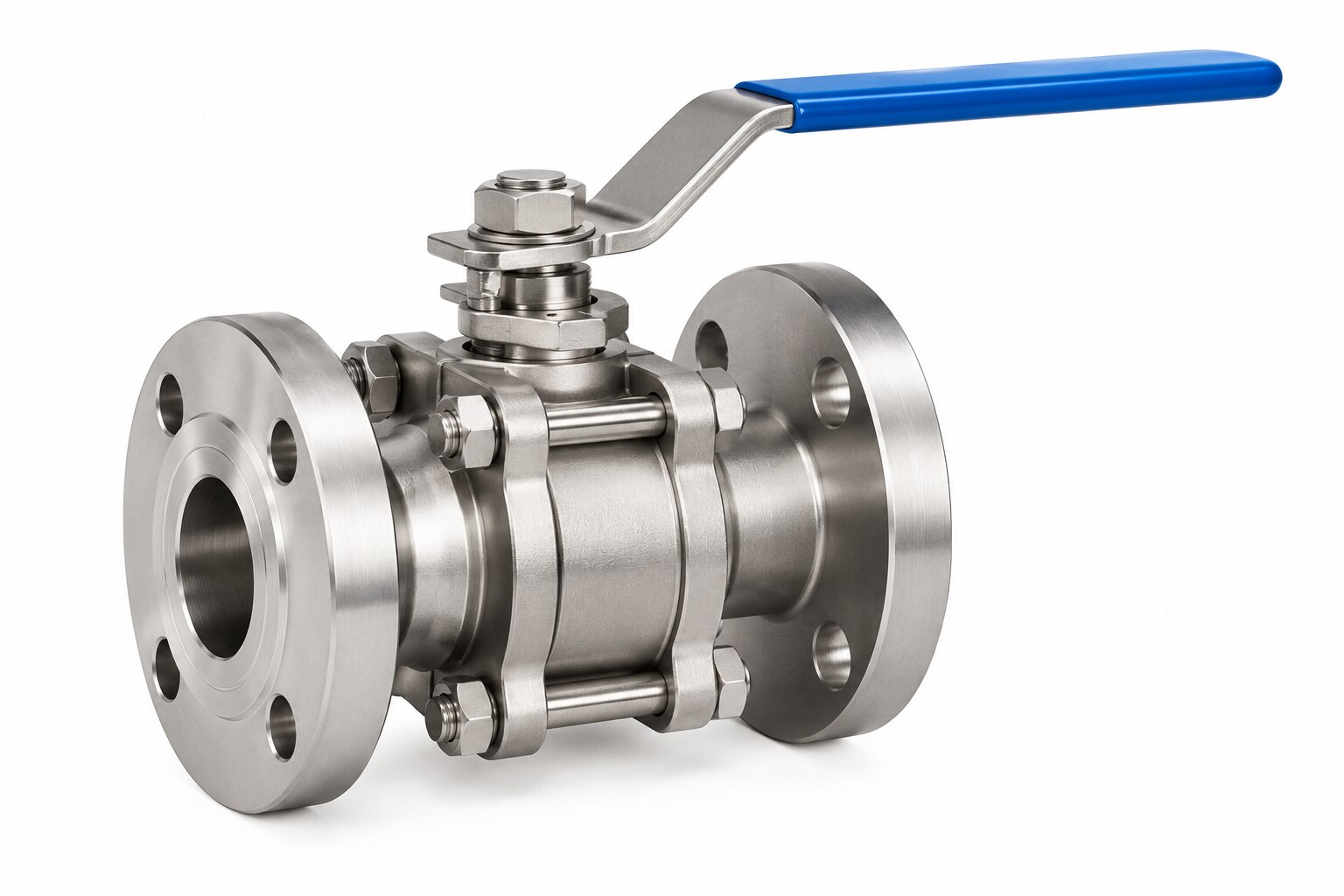
Choosing a Zoloto valve requires more than matching the nominal pipe size: the service, pressure-temperature duty, connection, materials, leakage requirement, and actuator all affect whether the valve will work safely. By the end, you will be able to classify the valve function, check its markings against a piping specification, compare connection and rating options, and prepare a purchase specification that exposes costly mismatches before installation.
Key takeaways
- Use gate valves for isolation, not throttling.
- Specify pressure, temperature, media, size, ends, and materials before quoting.
- Compare pressure ratings, face-to-face dimensions, and connection standards.
- Request leakage, pressure-test, material, and actuation documents before purchase.
Match the Zoloto Valve Type to the Job
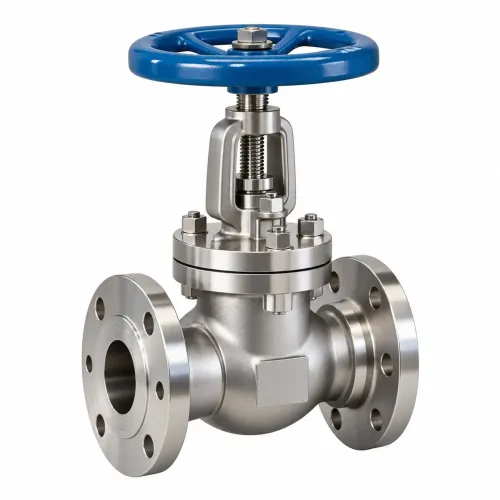
Choose a Zoloto valve by the job, not by pipe size alone. Use a Zoloto gate valve for full-open or full-closed isolation; partly opening it can create a high-velocity jet that causes erosion, vibration, noise, and unstable flow.
| Type | Best application | Selection warning |
|---|---|---|
| Zoloto gate valve | Line isolation | Not for continuous throttling |
| Zoloto globe valve | Throttling or controlled pressure reduction | Provides control but creates higher permanent pressure loss |
| Zoloto check valve | Non-return protection | Cannot provide positive isolation; select swing, lift, wafer dual-plate, or axial design for the transient |
| Zoloto butterfly valve | Large-diameter isolation or moderate regulation | Compare disc, seat, pressure drop, and actuator torque |
| Zoloto ball valve | Tight shutoff and rapid quarter-turn operation | Avoid continuous throttling unless the bore, seat, cavity relief, and service conditions are specified |
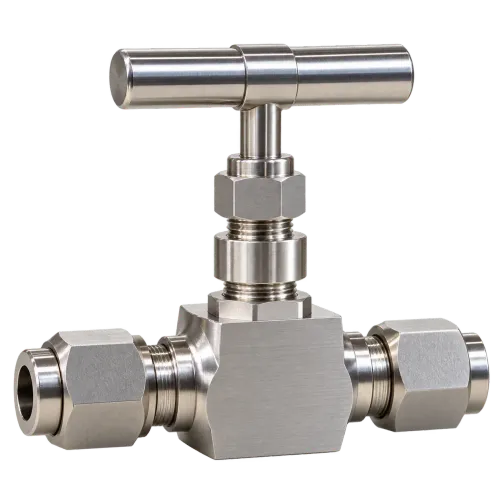
Select a Zoloto globe valve when you need stable flow adjustment or deliberate pressure drop. For automatic downstream pressure control, specify a pressure-reducing valve and its inlet pressure, outlet setpoint, flow range, and failure response rather than using an ordinary isolation valve.
For emergency shutoff, choose a quarter-turn ball or butterfly valve with a suitable actuator and defined fail-open or fail-closed position. A check valve only limits reverse flow; it cannot replace an emergency isolation valve. A Zoloto butterfly valve comparison should include closing speed and torque, not just nominal diameter.
A check valve that closes after reverse flow begins can slam during a pump trip or compressor shutdown.
Build the Valve Specification Before You Request a Quote
A quote request becomes useful only when it describes the service and installation, not just “Zoloto valve, 100 mm.” Your valve selection data must state the fluid, operating limits, duty, piping standard, and space available for replacement.
1. State the valve type, nominal pipe size, line class, design pressure, normal and maximum operating pressure, and operating temperature. Include minimum temperature for low-temperature service.
2. Describe the fluid and flow duty: composition, solids, viscosity, normal, minimum, and maximum flow rate, plus allowable pressure drop. Continuous throttling needs a control range and pressure-loss target, not size alone.
3. Specify body, trim, stem, seat, gasket, and packing materials. Identify chloride water, hydrocarbons, sour service, steam, oxidizers, or abrasive media because the body material alone does not prove compatibility.
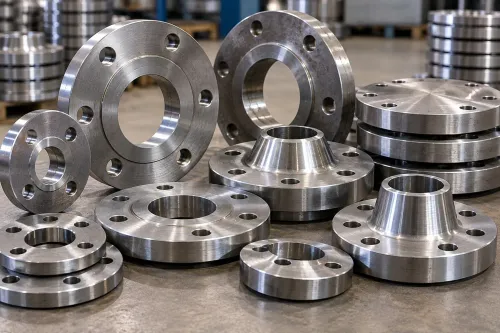
4. Name the connection standard and details: flanged, threaded, butt-weld, or socket-weld ends; ASME B16.5, ASME B16.47, or another drilling standard; and required face-to-face dimension under ASME B16.10 where applicable.
5. State the actuator requirement, including manual, pneumatic, electric, or hydraulic operation, fail-open or fail-closed position, available air pressure or electrical supply, control signal, and hazardous-area classification. Provide maximum differential pressure for actuator sizing.
6. Add installation orientation, flow direction, access limits, and any replacement spool dimensions. A wrong face-to-face length can force pipe cutting or leave the valve installed under strain even when size and pressure class match.
Confirm every quoted field against the piping specification before issuing the purchase order.
Check Ratings, Connections, and Face-to-Face Dimensions
A valve fits and remains within duty only when its pressure-temperature rating, end connection, and face-to-face dimension match the piping specification. Nominal size alone proves almost nothing.
ASME Class 150 versus PN16 requires a dimensional check, not a label comparison. The systems use different pressure-rating tables, flange drilling, bolt patterns, and, at some sizes, outside diameters.
| Designation | What to verify |
|---|---|
| ASME Class 150 | Material-specific pressure-temperature rating and ASME flange drilling |
| EN PN16 | EN pressure rating, flange drilling, and dimensional standard |
| Flanged valve | Matching flange faces, gasket dimensions, bolt holes, and bolt length |
| Wafer valve | Lug-to-lug space, flange alignment, disc clearance, and suitable bolt arrangement |
| Lugged valve | Each lug’s threaded or through-bolt pattern and whether the line permits one-sided removal |
Do not read “Class 150” as 150 psi at every temperature. Check the pressure-temperature table for the body and bonnet material, then confirm that the end connection does not impose a lower limit.
Measure the installed gap against the manufacturer’s face-to-face or end-to-end dimension. ASME B16.10 covers many standardized valves, but a different dimension can force spool replacement, pipe cutting, or assembly under strain.
Before approving the valve, confirm:
- The flange standard, facing, nominal size, and drilling match the line.
- The body rating covers design pressure and temperature together.
- The face-to-face dimension matches the replacement space.
- A check valve’s closing behaviour suits pump-trip or compressor-shutdown transients.
Verify Materials, Seats, Leakage, and Test Evidence
A valve suits the process only when every wetted and sealing part does. Check the body, bonnet, trim, stem, seat, gasket, and packing against the fluid, concentration, pressure, operating temperature, startup temperature, and cleaning chemicals; valve material compatibility cannot be judged from “stainless steel” or “carbon steel” alone.
1. Compare the material certificate and nameplate with the specification. Confirm body and trim grades, then check resistance to chloride-bearing water, hydrocarbons, sour service, steam, oxidizing chemicals, or low-temperature embrittlement. Ask for the heat or cast number if traceability matters.
2. Choose the seat for both temperature and leakage duty. A soft-seat valve usually gives tighter shutoff but can swell, harden, or decompose under heat and aggressive chemicals. A metal-seat valve tolerates higher temperature and abrasive service, but its specified leakage rate, torque, and surface condition require closer review.
3. Check the stem packing and bonnet gasket separately. Pressure-boundary tests do not prove fugitive-emission control; specify ISO 15848 or an applicable API qualification with the test temperature and mechanical-cycle count when emissions matter.
4. Require the API 598 valve testing report to state shell-test pressure, seat-test method, test fluid, duration, allowable leakage, and whether the test covered resilient or metal seats. A factory pass is evidence of that test, not a guarantee of zero leakage in every installed condition.
Reject evidence that identifies only a test standard without the actual results, valve serial number, and acceptance criteria. For a safety or relief valve, request certified set-pressure and capacity data instead; ordinary isolation-valve tests do not establish relief performance.
Review Actuation, Transients, and the Final Purchase Package
Before issuing the purchase order, make the final review prove that the valve will move, close, vent, and remain maintainable under the actual operating upset.
- Confirm valve actuator sizing from the manufacturer’s torque or thrust curve, maximum differential pressure, breakaway torque, seat load, packing friction, deposits, minimum temperature, and stated safety factor. Record the fail-open, fail-closed, or fail-in-place position and verify available instrument air pressure, electrical voltage, solenoid, and limit-switch details.
- For every check valve, specify flow direction, mounting orientation, closing speed, and pump or compressor trip conditions. A swing or lift valve that permits reverse flow before closing can cause check valve slam; select a dual-plate or non-slam axial design when the transient study demands faster closure.
- Treat an emergency-shutoff valve as a complete safety function. Confirm shutdown time, actuator failure position, remote reset, fire-safe requirements, partial-stroke testing, and the cause-and-effect signal list.
- Separate pressure-boundary testing from stem-seal performance. If fugitive emissions ISO 15848 applies, state the test temperature, mechanical-cycle count, packing qualification, and acceptance limit in the purchase specification.
- For a safety valve API 526 API 527 review, check set pressure, certified capacity, backpressure, blowdown, inlet and discharge losses, and documented sizing data; an ordinary isolation-valve test does not establish relief suitability.
- Request the maintenance drawing, spare-seat and packing list, lubrication instructions, test certificates, actuator data sheet, and recommended overhaul intervals.
Welcome To S A Enterprise can reconcile these documents with the piping class before the quotation is approved, preventing a correct valve from arriving with the wrong actuator, orientation, or service package.
Related product
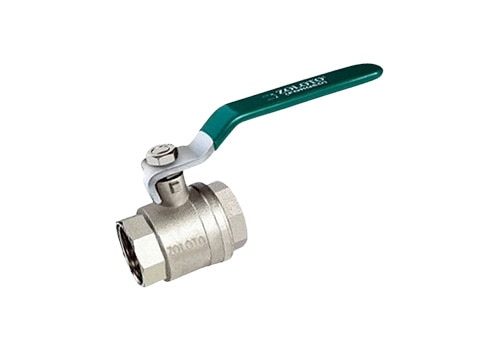 | Valve Zoloto Valve View product → |
Frequently asked questions
Which Zoloto valve type should you use for industrial flow control?
Use a gate valve for full-open or full-closed isolation. Select another valve type when throttling, frequent operation, non-return protection, or precise flow control is required.
What information should you include when requesting a Zoloto valve quote?
Provide the valve function, nominal size, pressure class, operating temperature, fluid, flow conditions, connection type, body and trim materials, seat material, and actuation requirements.
Which Zoloto valve dimensions and ratings must you check?
Check the pressure-temperature rating, end connection standard, face-to-face dimension, flange drilling, and installation space against the piping specification and existing line.
What evidence should you request before accepting a Zoloto valve?
Request pressure-test and leakage-test results, material certificates, inspection records, calibration evidence for test equipment, and the final drawing or datasheet.
When does valve actuation require additional review?
Review actuation when the valve is remote-operated, installed in an emergency shutdown system, cycled frequently, exposed to pressure transients, or subject to high torque or thrust.