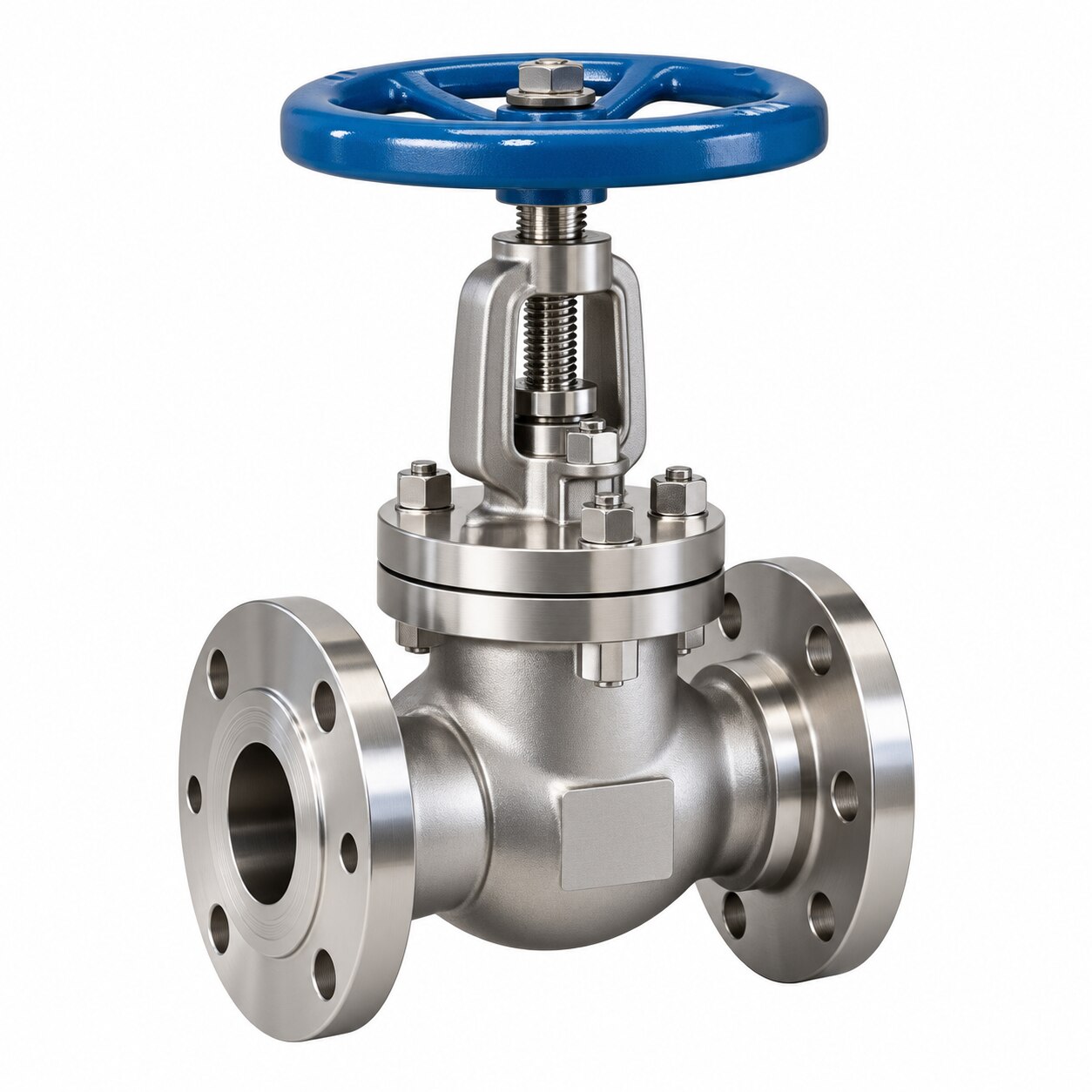
IBR status depends on where a valve functions in a boiler or regulated steam-piping system, not on pressure class alone. By the end, you will be able to identify the IBR boundary, match valve types to their duties, specify the critical design details, and distinguish complete-valve approval from material paperwork.
Key takeaways
- Check valve function and location against Indian Boiler Regulations, 1950.
- Install certified valves at boiler, feedwater, steam, and connected pressure-system points.
- Match gate, globe, check, safety, and control valves to the service duty.
- Request the IBR certificate, Form III, material records, and installation dossier.
What makes a valve relevant to IBR requirements?
IBR relevance comes from a valve’s function and location in an Indian boiler or steam system, not from its pressure class alone. The Indian Boiler Regulations, 1950 are statutory inspection and documentation rules for boilers, boiler components, feed pipes, steam pipes and their connected fittings in India.
For steam piping, scope commonly begins when pressure exceeds 3.5 kg/cm² gauge or internal diameter exceeds 254 mm.
1. Confirm the boundary. Include boiler outlets, feed pipes, steam pipes and connected valves, flanges, strainers and fittings. Do not assume a downstream process valve, condensate-return valve, cooling-water valve or utility-water valve is covered merely because it handles pressure or steam.
2. Identify the approval claimed. An IBR-approved valve means the complete valve assembly is accepted under the applicable inspection process. An IBR-approved material certificate covers identified material, such as forged body steel, but does not approve the finished valve.
A valve supplied with IBR documents may only have supporting certificates, inspection reports or traceability records; those documents do not automatically establish complete-valve approval.
3. Specify both compliance layers. IBR certified valves satisfy a statutory acceptance requirement; IBR is not a universal design standard equivalent to API 600, API 602 or ASME B16.34. Confirm the valve’s body design, pressure-temperature rating, dimensions, materials and testing against the project standard, then obtain the inspecting authority’s required IBR records before installation.
Where are IBR valves installed in a steam system?
Start at the boiler steam outlet: the IBR location map follows the regulated boiler, feedwater and steam-piping boundary, not every valve that handles steam.
1. At the boiler, check the main steam stop valve, boiler-connected drain and vent lines, and the outlet leading into the main steam line. The same boundary covers saturated-steam and superheated-steam services, including steam-pipe isolation points between the boiler and a turbine or process user.
2. On the water side, inspect the feedwater line and its stop-and-check arrangement. The check valve prevents reverse flow toward the boiler; the stop valve provides isolation. Blowdown system valves, including those connected directly to the boiler, also remain within the regulated installation.
3. Trace the boundary in utility power plants across boiler outlet piping, superheated-steam lines, boiler-feedwater connections and blowdown systems. In cogeneration plants serving sugar, paper, textile or chemical facilities, it normally extends through the boiler and regulated steam pipes, including required pressure-vessel connections.
4. Mark the downstream limit before ordering. A turbine-casing valve or distribution valve is not automatically an IBR item merely because it handles steam. Condensate-return, cooling-water, utility-water and general process valves outside the defined boiler or steam-pipe boundary are usually specified under the project’s ASME, API, BS or EN requirements instead.
Confirm the boundary with the approved piping class and the applicable state boiler authority before adding IBR cost or lead time. IBR acceptance does not select the valve duty: a gate valve may isolate main steam, while globe or control valves regulate flow and check valves prevent reverse flow.
Which valve type fits each steam-service duty?
A valve’s IBR status does not make it suitable for every steam duty. Select it by function: isolation, throttling, non-return, safety or control.
| Type | Duty | Shutoff, flow and maintenance |
|---|---|---|
| Gate valve | Main steam isolation | Low pressure drop when fully open; poor routine throttling because the partly open gate vibrates, erodes and becomes difficult to shut. |
| Globe valve | Manual regulation or throttling | Precise control with higher pressure loss; inspect the seat and plug for erosion. |
| Control valve | Automatic flow, pressure or temperature control | Designed for continuous throttling, but pressure drop, noise, flashing and trim wear demand correct sizing and regular maintenance. |
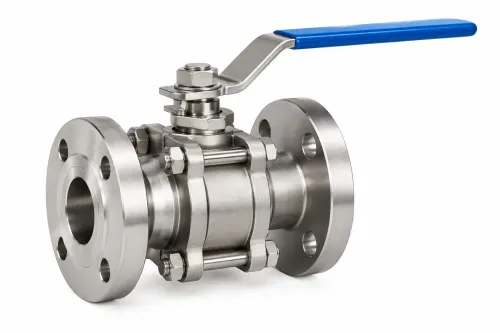
| Ball valve | Tight shutoff and isolation | Low pressure drop and fast operation; verify trim, seat temperature rating and erosion resistance before using it in wet or high-velocity steam. |
| Butterfly valve | Compact isolation or specified modulation | Low weight and cost, but disc, shaft and seat exposure can limit steam service. |
| Check valve | Feedwater, discharge and non-return protection | Prevents reverse flow; confirm cracking pressure, orientation and closure speed to avoid water hammer. |
| Safety valve | Overpressure protection | It must lift at the approved set pressure and discharge the required capacity; retain identification, set-pressure and capacity or accumulation-test evidence. |
Reject a butterfly valve for steam service when its seat, disc, shaft, leakage class or pressure-temperature rating does not match the steam, even if nominal size and pressure class look adequate. Do not use a gate valve to regulate, or a safety valve as an isolation valve.
Confirm that the installed safety valve matches the approved boiler documentation.
How should you specify an IBR valve before placing an order?
Specify the valve against the actual steam duty, not only the words “IBR certified.” Your purchase requisition should state:
1. Steam pressure, design temperature, pressure class, and the pressure-temperature rating at the operating temperature. A class rating without its temperature limit can approve the wrong valve.
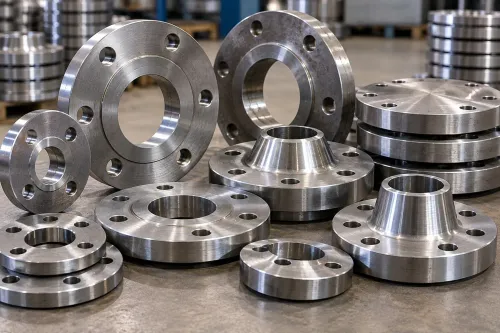
2. Nominal bore, end connection, and the required face-to-face or end-to-end dimension. Match these with the piping isometric, flange standard, and available installation space.
3. Body, bonnet, stem, disc or ball, trim, and seat materials. Name the material grades and confirm compatibility with saturated or superheated steam, erosion exposure, and the specified temperature.
4. Flow direction and the required leakage class. Do not leave shutoff performance to the supplier’s catalogue description; state the test or project requirement.
5. The operating arrangement: handwheel, gearbox, pneumatic actuator, or electric actuator. For an actuated valve, specify the fail-open, fail-closed, or fail-in-place position and the available power or instrument-air conditions.
6. The compliance documents and standards required for acceptance. High-pressure projects often need IBR acceptance for statutory installation plus ASME B16.34, API 600, API 602, MSS SP-61, or the project’s named equivalent for design, dimensions, and testing.
Welcome To S A Enterprise can help coordinate the valve, flange, fitting, and instrumentation requirements, but require written confirmation that the proposed valve’s actual size, rating, materials, and documents match the approved project specification.
Related products
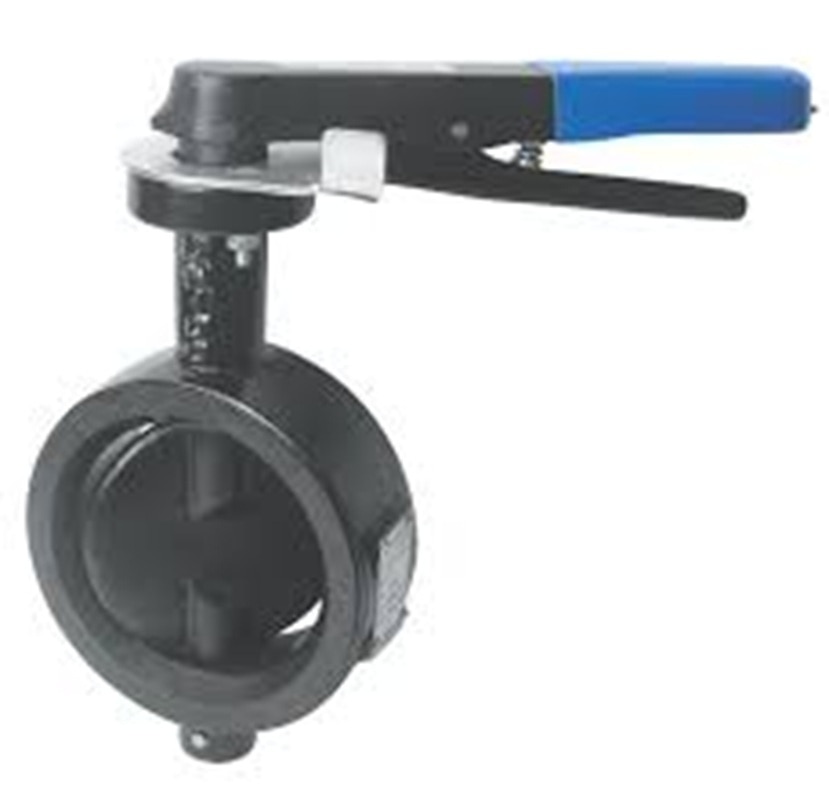 | CI Valves Butterfly Valve View product → |
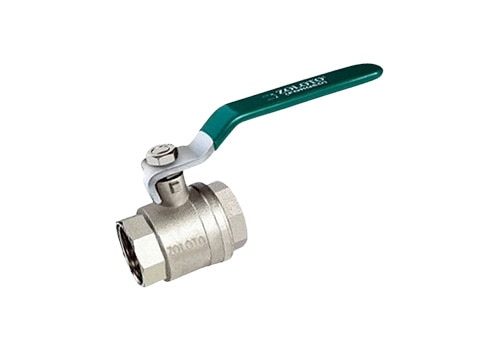 | Valve Zoloto Valve View product → |
How do you verify the IBR certificate and installation dossier?
Before accepting delivery, match the IBR certificate to the valve and the approved boiler or piping dossier; a generic commercial pressure-test certificate is not enough.
Check these certificate and nameplate fields:
- Certificate number, authorised inspecting authority, approved manufacturer or supplier, valve description, model and manufacturing location.
- Nominal size, pressure rating, body and trim material grades, and heat or batch numbers.
- Hydrostatic and seat-test results, test pressure, test date, nameplate details, signatures and inspection endorsements.
| Document | What it proves | What it does not prove |
|---|---|---|
| Complete-valve IBR certificate | The identified finished valve is covered for IBR acceptance | Compliance with every design standard or project specification |
| EN 10204 3.1 certificate | Chemical and mechanical results for the identified body, bonnet, stem or other pressure-retaining material | That the completed valve assembly is IBR-approved |
For the installation, obtain the certificate covering the installed valve, heat number traceability to pressure-retaining parts, approved material certificates, manufacturing and inspection records, pressure-test reports, and nameplate-to-certificate correlation. Confirm that the valve’s size, rating, model and materials match every record.
For a safety valve, add the safety valve set pressure, capacity or accumulation-test records, valve identification and correspondence with the approved boiler documentation. Missing heat-number correlation, an unapproved material substitution or a nameplate mismatch can stop acceptance.
Reconcile the complete dossier with the purchaser’s inspecting authority before commissioning, not after the valve is installed.
Frequently asked questions
What makes a valve relevant to IBR requirements?
IBR relevance depends on the valve’s function and location in an Indian boiler or steam system, not pressure class alone. Check whether it forms part of a regulated boiler component, feed pipe, steam pipe, connected fitting, or pressure boundary.
Where are IBR valves installed in a steam system?
They are installed at regulated points including boiler connections, feedwater lines, steam outlets, steam distribution piping, blowdown arrangements, and connected pressure-system fittings. Confirm the exact scope with the boiler inspector and approved drawings.
Which valve type fits each steam-service duty?
Use gate valves for isolation, globe valves for throttling, check valves for preventing reverse flow, safety valves for overpressure protection, and control valves for automated flow or pressure regulation. Select materials, ends, trim, pressure rating, and temperature rating for the service.
How should you specify an IBR valve before placing an order?
State the service fluid, design pressure, design temperature, size, pressure class, end connection, body and trim materials, actuation, leakage requirement, flow direction, and IBR documentation required.
How do you verify the IBR certificate and installation dossier?
Match the certificate to the valve tag, manufacturer, size, rating, material heat number, and serial or batch number. Check the IBR approval details, inspection endorsements, test records, material certificates, drawings, and installation records for consistency.