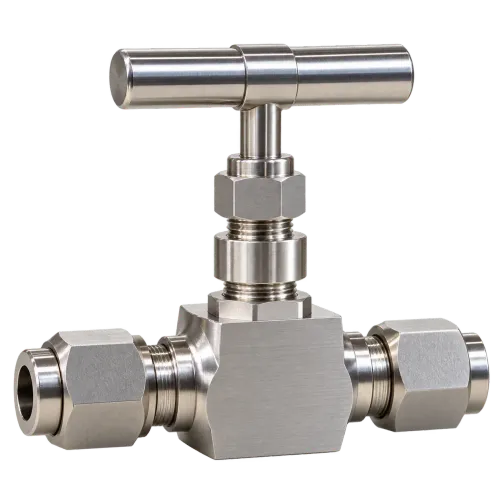
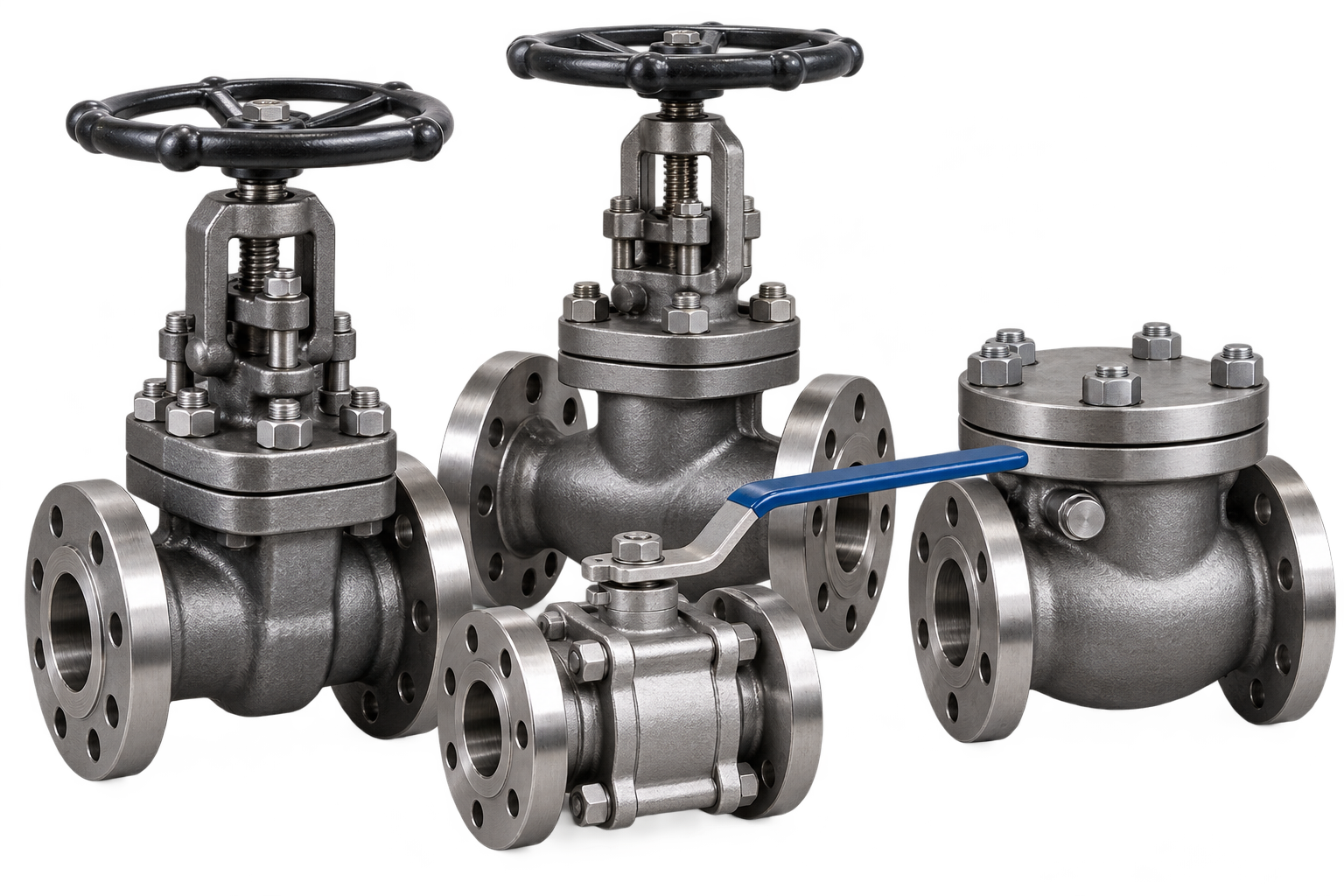
A forged body can improve pressure-boundary integrity, but “forged” alone does not establish a valve’s safe pressure, temperature, or service life. By the end, you will know how to compare forged and cast construction, read pressure classes, match valve types to flow duties, and verify the trim, seals, bolting, testing, and documentation that control real performance.
Key takeaways
- Match valve class to pressure, temperature, material, and end-connection limits.
- Choose gate, globe, check, or ball valves according to flow-control duty.
- Verify trim, seals, bolting, and thermal-cycling compatibility before ordering.
- Review material certificates, pressure ratings, tests, and dimensional standards.
Why Forging Improves Pressure-Boundary Integrity
Forging improves pressure-boundary integrity by compressing steel under force and aligning its grain flow with the valve body’s load paths. The process also provides porosity reduction, limiting shrinkage cavities and gas-related discontinuities that can become leak paths under pressure cycling.
A cast steel valve solidifies in a mould, so its quality depends heavily on melt control, feeding, cooling, inspection, and repair procedures.
| Feature | Forged steel valve | Cast steel valve |
|---|---|---|
| Strength and stress | Dense structure and directional grain flow support high mechanical loads | Sound castings perform well, but shrinkage, inclusions, or porosity can reduce local margin |
| Wall and weight | Smaller body sections can achieve the required design strength, reducing weight | Thicker walls often compensate for casting variability, increasing weight |
| Repairability | Fewer casting defects to repair; weld repairs still require qualified procedures | Defect removal and weld repair can affect integrity and require documented examination |
| Cost and size | Efficient for small and medium sizes, but forging dies and limited billet size raise cost | More economical for complex shapes and large nominal sizes |
| Size limitation | Large valves become difficult to forge as section and mass increase | Casting accommodates large bodies and unusual geometries more readily |
Do not treat “forged” as a pressure rating. ASTM A105, ASTM A182 F5, F11, F22, and stainless grades have different allowable stresses and temperature limits. ASME B16.34 ratings also change with valve class, size, end connection, material group, and temperature; pressure usually falls as temperature rises.
A forged A105 valve and a cast WCB valve require their actual rating tables for a valid comparison.
How Material, Size, End Connection, and Class Set the Rating
The class number is a pressure-class designation, not a universal pressure value. A Class 600 valve, Class 900 valve, Class 1500 valve, and Class 2500 valve each require a pressure-temperature lookup under ASME B16.34.
| Class | What it tells you | What it does not tell you |
|---|---|---|
| Class 600 | The valve’s designated pressure class | The allowable pressure at every temperature |
| Class 900 | A higher class designation than Class 600 | Compatibility with every material or end connection |
| Class 1500 | A higher class designation than Class 900 | The temperature limit of seals or the actuator |
| Class 2500 | A very high pressure class | A rating independent of size, material, or design standard |
Use this rating sequence:
1. Identify the pressure-boundary material group and exact grade. ASTM A105 and ASTM A182 F22 do not automatically use the same pressure-temperature table.
2. Confirm the nominal size and applicable construction standard. Compact forged valves under API 602 cover NPS 1/4 through NPS 4, but available class and connection combinations depend on the edition and manufacturer’s documentation.
3. Check the end connection. Threaded, socket-weld, and butt-weld designs are not interchangeable rating assumptions.
4. Read the ASME B16.34 table at the actual metal temperature. Allowable pressure falls as temperature rises because material strength changes.
For a butt-weld end, also verify weld-end dimensions, material compatibility, qualified welding procedures, and post-weld heat treatment. Field welding can damage seats or seals even when the valve shell remains within its pressure rating.
Choosing Gate, Globe, Check, or Ball Performance
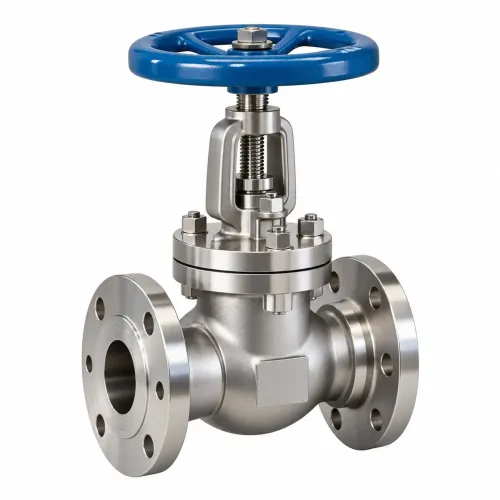
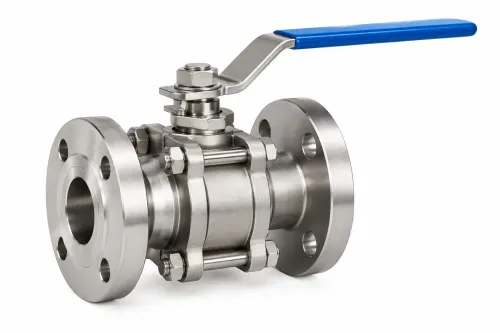
Choose a forged gate valve for full-open or full-closed isolation, a forged globe valve for controlled throttling, a forged check valve for automatic reverse-flow protection, and a forged ball valve when tight shutoff and low pressure drop matter most.
| Design | Shutoff and pressure drop | Throttling and reverse-flow performance |
|---|---|---|
| Forged gate valve | Low pressure drop when fully open; strong isolation when closed | Poor routine throttling. A partly open gate can cause vibration, erosion, high local velocity, and unstable flow; it does not prevent reverse flow. |
| Forged globe valve | Tighter control with higher pressure drop than a gate or ball valve | Best choice here for repeated pressure reduction or flow adjustment; it does not provide automatic reverse-flow protection. |
| Forged check valve | Minimal operating intervention; pressure drop depends on disc style and sizing | Prevents reverse flow automatically, but it cannot isolate or regulate flow. Oversizing can cause weak closing and slam. |
| Forged ball valve | Very low pressure drop when open and reliable shutoff when closed | Not a routine throttling valve. In high-pressure liquid service, verify cavity-relief direction, seat design, and double-piston-effect behavior because trapped liquid can overpressure the body cavity during heating. |
A high pressure class does not make a gate valve suitable for control duty.
Select the valve from the required function, then confirm its pressure-temperature rating, trim, actuator, and end connection under the applicable standard; compact forged gate valves covered by API 602 are common in small sizes, but class and connection combinations still require document review.
Why Trim, Seals, Bolting, and Thermal Cycling Limit Service
A Class 1500 shell can remain pressure-tight while its packing, gasket, stem seal, or actuator has already failed. The pressure class describes the pressure-temperature limit of the valve assembly under its applicable standard; it does not establish the temperature capability of every component.
1. Check the material and temperature limits for each pressure-retaining and sealing part. ASTM A105, ASTM A182 F5, ASTM A182 F11, and ASTM A182 F22 do not give identical allowable stresses or thermal behaviour. Packing can oxidise or relax, gaskets can leak, seats can lose tightness, and stems can gall or distort.
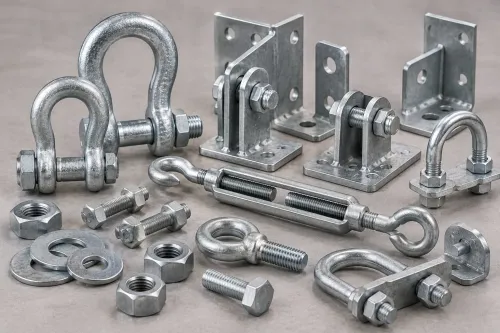
Bolting can also lose preload through high-temperature relaxation.
2. Treat thermal cycling as a separate qualification. Repeated heat-up and cool-down makes the body, bonnet, stem, trim, packing, gasket, and connected pipe expand at different rates. The resulting movement can produce bonnet-joint leakage, stem-seal leakage, higher operating torque, or seat leakage even when steady pressure and temperature remain within the rating.
3. Verify bolting, actuator temperature, and end-connection details. A butt-weld valve also requires compatible weld-end dimensions, a qualified welding procedure, controlled preheat and interpass temperatures, and post-weld heat treatment where specified. Field welding can damage seats, seals, and trim.
4. For sour service, review hardness, heat treatment, trim, springs, bolting, and weld repairs against NACE MR0175/ISO 15156. A forged body alone proves nothing about hydrogen-sulfide suitability.
Use the weakest component and the actual cycling duty as the service limit, not the nominal shell rating.
What to Verify Before Specifying a Forged Valve
Before approving a forged valve for high-pressure, high-temperature duty, match the datasheet, drawings, certificates, test report, and service envelope. Record the applicable standard edition and the exact tested configuration.
- For compact valves, check API 602 size, class, wall, bonnet, trim, material, and end connection. API 602 covers NPS 1/4 through NPS 4, with classes including 150 through 1500 and 2500.
- Require an API 598 report listing test medium, duration, shell pressure, seat pressure, and low-pressure closure results. Its 1.5-times cold-working-pressure shell test and 1.1-times cold-working-pressure high-pressure closure test are acceptance tests, not operating limits.
- Confirm packing, gasket, bolting, stem-seal, and actuator temperature limits at the actual metal temperature and thermal-cycle count. Oxidation, relaxation, or actuator overheating can cause leakage before shell failure.
- For ball valves, verify cavity-relief direction, double-piston-effect behaviour, seat design, and trapped-liquid expansion. For sour service, review NACE MR0175/ISO 15156 material condition, hardness, heat treatment, chemistry, H2S partial pressure, trim, springs, bolting, and weld repairs.
- Treat fire safety as a separate qualification. API 6FA applies to certain pipeline and piping valves; API 607 covers many quarter-turn valves with nonmetallic seats.
| Evidence | Confirms | Does not confirm |
|---|---|---|
| API 598 report | Hydrostatic and closure acceptance | Continuous operation at test conditions |
| API 6FA or API 607 report | Fire-tested configuration | Fire safety with different seats or packing |
| ASME B16.34 rating | Pressure-temperature basis | Seal or actuator capability |
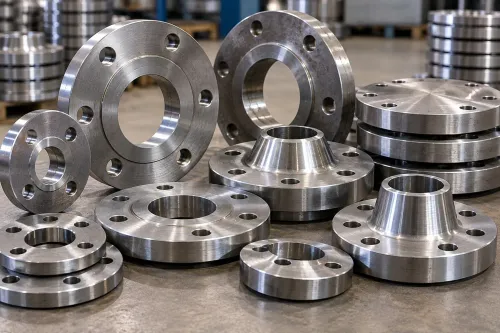
Welcome To S A Enterprise can cross-check valve ends against adjoining flanges and elbows, preventing an approved assembly that cannot align or be maintained.
Frequently asked questions
Why does forging improve a valve’s pressure-boundary integrity?
Forging compresses steel under force, aligns grain flow with body load paths, and reduces porosity, shrinkage cavities, and gas-related discontinuities that can become leak paths.
What determines the pressure and temperature rating of a forged steel valve?
The rating depends on material, valve size, end connection, pressure class, temperature, and the applicable rating tables and standards.
How do gate, globe, check, and ball valves differ in demanding service?
Gate valves suit isolation, globe valves suit throttling, check valves prevent reverse flow, and ball valves provide rapid shutoff with low flow resistance.
Which valve details limit service during thermal cycling?
Trim, seals, body and bonnet bolting, clearances, and material expansion rates limit service when pressure and temperature change repeatedly.