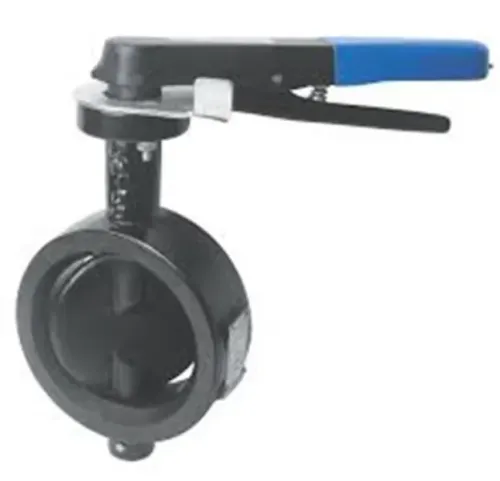
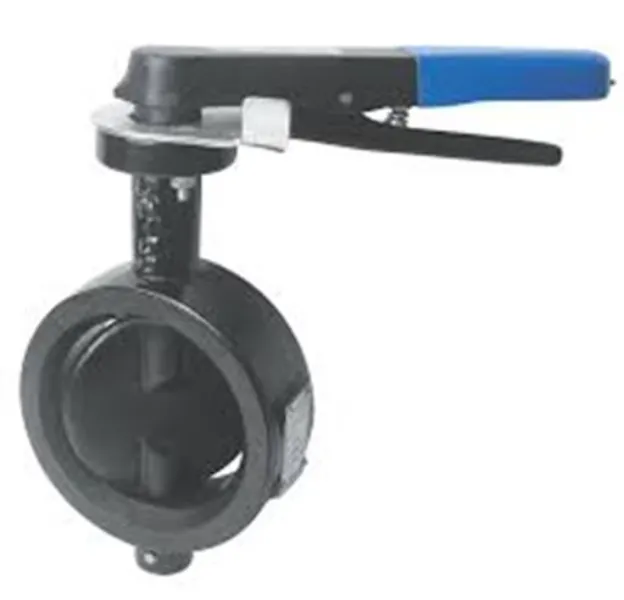
Butterfly valves are commonly considered for pipelines where compact construction and quarter-turn operation are useful. They can be found across water systems, utilities, HVAC installations, industrial plants, and various process applications when the selected valve construction is appropriate for the service.
For buyers evaluating Butterfly Valve Manufacturers in Pune, a detailed specification is essential because valves with the same nominal diameter can differ substantially in design and suitability.
Identify the Required Valve Configuration
Butterfly valves are available in different body and connection configurations.
The project specification should determine the required arrangement based on the connected piping and installation design.
Buyers should verify dimensional compatibility with mating flanges and surrounding piping before finalizing an order.
Check Disc and Seat Materials
The process medium interacts with internal valve components, so material compatibility matters.
Disc, seat, body, stem, and sealing materials may vary by valve design.
The correct combination should be selected according to factors such as:
- Fluid characteristics
- Operating temperature
- Pressure
- Corrosion conditions
- Frequency of operation
- Project specification
Using a familiar valve construction without considering the actual medium can lead to unsuitable material selection.
Decide How the Valve Will Be Operated
Smaller valves may use manual operating arrangements, while larger or frequently operated valves may require different mechanisms according to system design.
Automation requirements should also be considered at the procurement stage if the valve is intended to interface with an actuator.
This helps avoid buying a valve that later requires substantial modification.
Verify Pressure and Temperature Requirements
Nominal diameter does not define operating suitability.
Pressure and temperature conditions need to be reviewed against the specified valve design.
The engineering datasheet should provide the basis for procurement, particularly in industrial systems where operating conditions differ from general building-service applications.
Consider Installation Space
One advantage associated with butterfly valve designs is their relatively compact arrangement, but actual installation clearances still matter.
Disc movement, actuator space, pipe alignment, flange compatibility, and access for operation or maintenance should be considered.
For retrofit work, checking existing site dimensions before ordering can prevent installation difficulties.
Assess the Supplier's Broader Capability
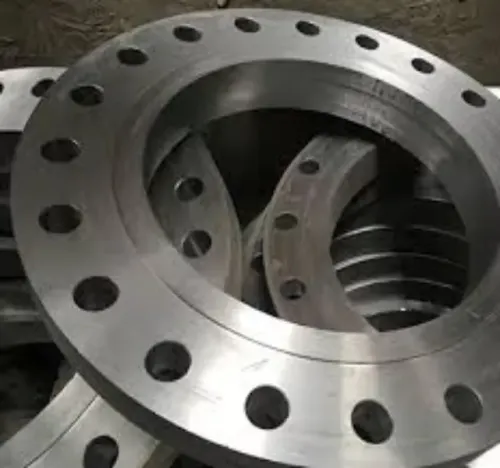
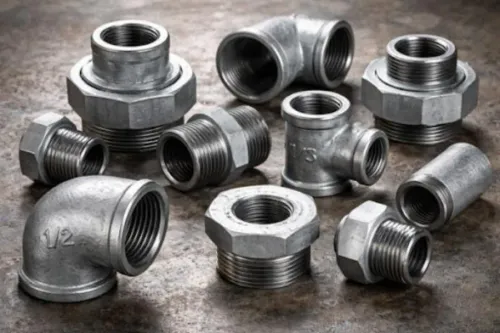
Projects frequently require valves alongside fittings, pipes, flanges, and related components.
A supplier that understands the connected piping package may make material coordination easier.
S A Enterprise handles industrial requirements covering valves, flanges, pipe fittings, and steel piping solutions. For procurement teams in Pune, providing an itemized bill of materials allows related requirements to be discussed within the same project context.
Prepare the RFQ Properly
A useful butterfly valve enquiry should include valve size, body configuration, pressure requirement, body material, disc material, seat material, end connection, operation method, quantity, and applicable technical standard.
Add documentation requirements and delivery priorities where applicable.
This gives potential suppliers enough information to prepare technically meaningful offers.
A butterfly valve may appear straightforward, but its performance depends on selecting the right combination of construction and materials for the system.
For Pune industrial projects, detailed specification before commercial comparison remains one of the most effective ways to improve procurement accuracy.
Keywords