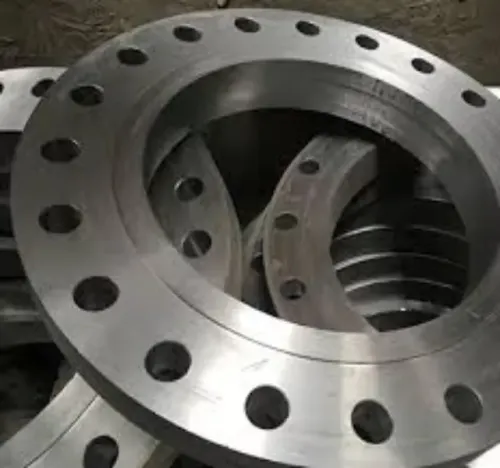
Carbon steel flanges are used across many engineered piping installations, but selecting a supplier requires more than comparing unit rates. EPC contractors and procurement managers need components that correspond with drawings, piping classes, dimensional standards, and project documentation.
Evaluating Carbon Steel Flanges Manufacturers systematically can help industrial buyers in Chakan reduce specification errors before materials reach the site.
Begin With the Technical Specification
Price comparisons are meaningful only when suppliers are quoting equivalent products.
Before evaluating quotations, confirm that each offer corresponds with the required:
- Material grade
- Nominal size
- Flange configuration
- Pressure class
- Dimensional standard
- Facing
- Quantity
- Documentation requirement
A lower quotation based on a different specification is not a true cost saving.
Check the Flange Configuration
Different flange types serve different piping requirements.
Weld neck, slip-on, blind, socket weld, and threaded configurations cannot simply be treated as interchangeable products.
Engineering drawings and piping material specifications should determine which configuration is required.
Procurement teams should avoid changing flange types without appropriate engineering review, even when an alternative appears easier to source.
Examine Dimensional Requirements
Flange dimensions affect direct compatibility with connected equipment.
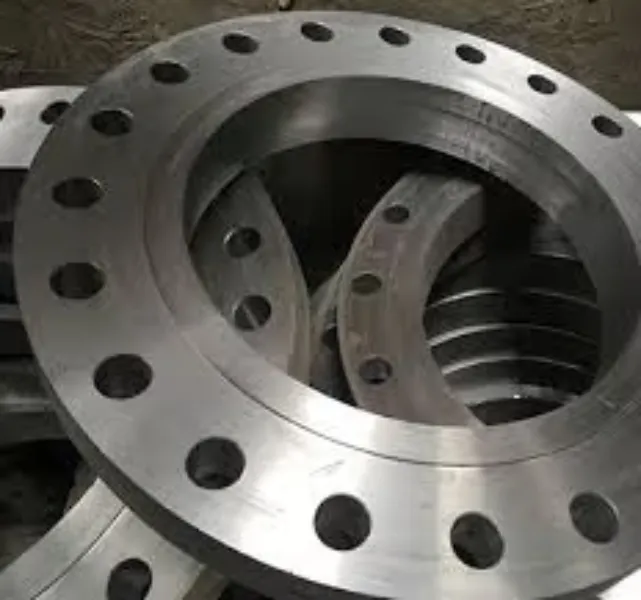
Bolt circles, hole sizes, thickness, bore dimensions, and facing details need to correspond with the mating flange and applicable standard.
This is particularly important for maintenance shutdowns where replacement components may need to fit an existing installation within a limited time window.
Assess Documentation Requirements Early
Some industrial projects have defined material documentation and inspection requirements.
If certificates, test documentation, identification, or project-specific records are required, these expectations should form part of the original enquiry.
Waiting until material is ready for dispatch to discuss documentation can create unnecessary delays.
Consider the Complete Piping Package
Buying every piping component separately can increase coordination effort.
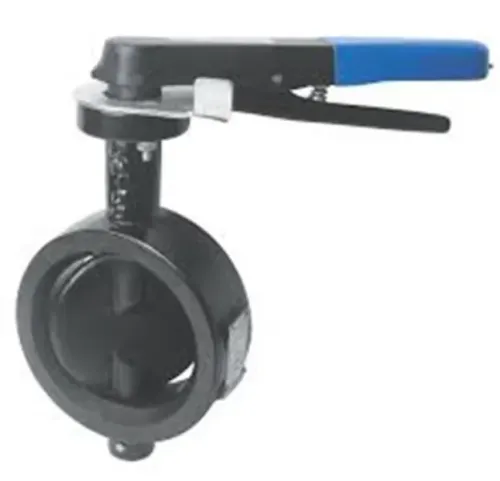
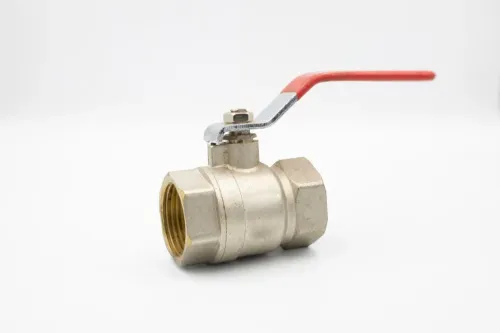
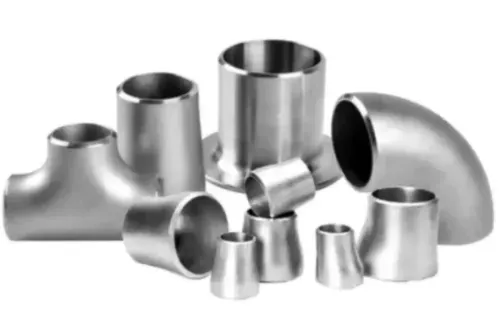
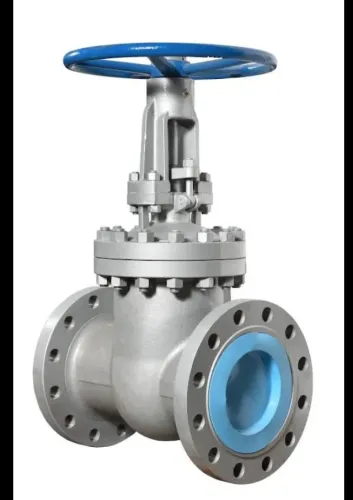
A project may require carbon steel flanges together with pipes, buttweld fittings, valves, gaskets, and erection-related materials.
Working with a supplier capable of handling several related categories can make technical coordination easier, particularly when procurement teams are managing large bills of materials.
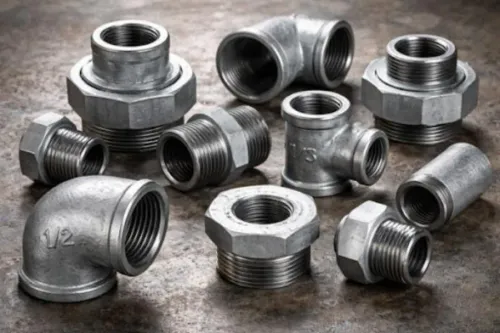
S A Enterprise supports industrial customers with flanges, valves, pipe fittings, and steel pipe solutions. For projects in Chakan, this broader product context can be useful when a piping package includes multiple component categories.
Compare Suppliers Beyond Initial Price
A practical supplier evaluation should consider several questions.
Does the quotation clearly state the offered specification? Are deviations identified? Can the supplier work from detailed bills of quantities? Are project documentation requirements understood? Can related piping components be coordinated when required?
These factors affect the real procurement outcome.
An inexpensive component that cannot be installed due to dimensional incompatibility can become costly once replacement logistics, fabrication delays, and site downtime are considered.
Build a Better RFQ
A clear request for quotation should contain item-wise technical information rather than only product names.
Include quantities, specifications, required standards, delivery expectations, and documentation needs. Attach relevant approved schedules when necessary.
This enables suppliers to respond on a comparable basis.
For procurement teams in Chakan, choosing a carbon steel flange source is ultimately an exercise in technical compatibility, documentation, availability, and commercial suitability. Evaluating all four areas together creates a stronger basis for purchasing decisions than comparing price alone.
Keywords