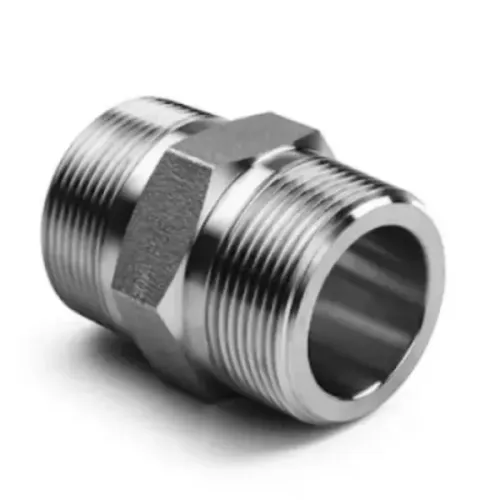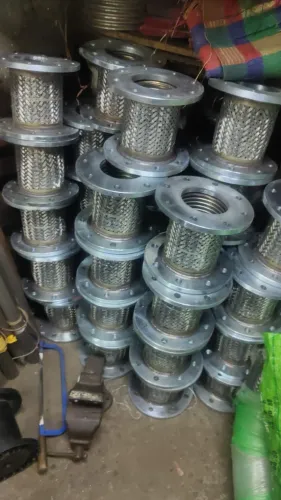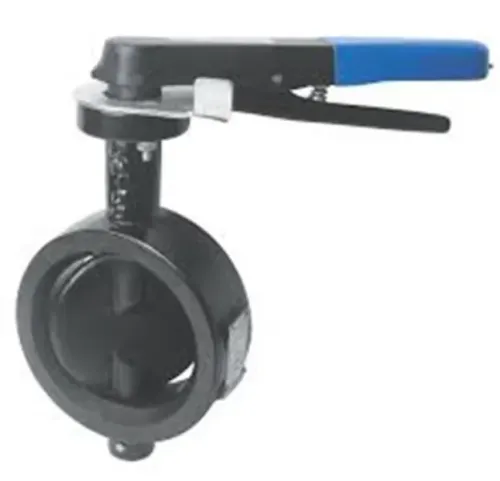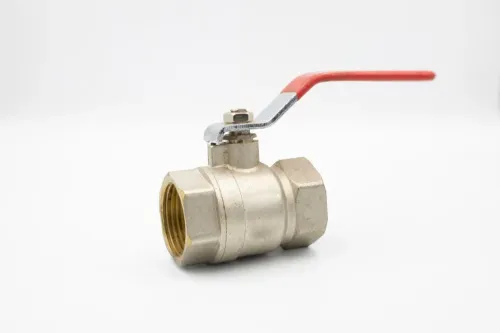
Threaded fittings are frequently purchased in large quantities, making even small specification mistakes capable of affecting an entire piping installation. Buyers may receive the right nominal size but the wrong thread, fitting type, material specification, or pressure suitability.
When evaluating VS Threaded Fittings Manufacturers and supply options for projects in Chakan, avoiding a few common procurement mistakes can save substantial time during installation.
Mistake One Buying Only by Nominal Size
A size description does not provide the complete fitting specification.
Procurement should also identify the fitting configuration, thread requirements, material, applicable standard, and service conditions.
Two fittings carrying the same nominal size description may not necessarily be suitable for the same installation.
Mistake Two Ignoring Thread Specifications
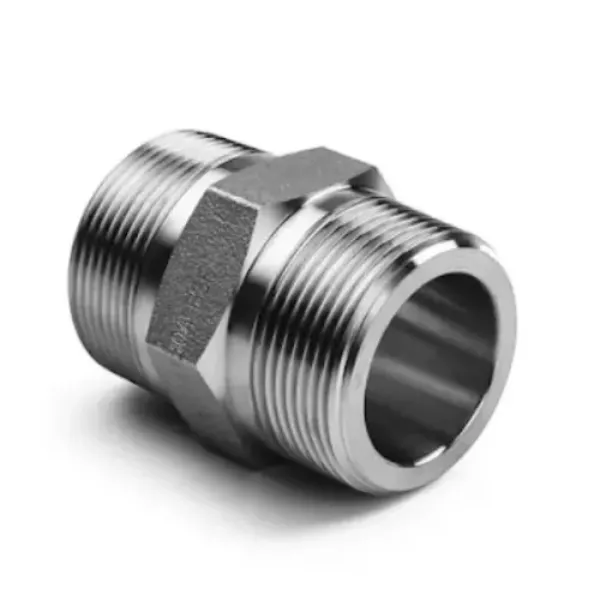
Thread compatibility is fundamental.
A fitting that does not correspond with the connected pipe or component can create installation problems even when the nominal diameter appears correct.
Project teams should verify the required thread specification from approved engineering documents.
This is particularly important for maintenance teams dealing with older installations containing a mixture of component standards.
Mistake Three Treating Every Fitting Type as Interchangeable
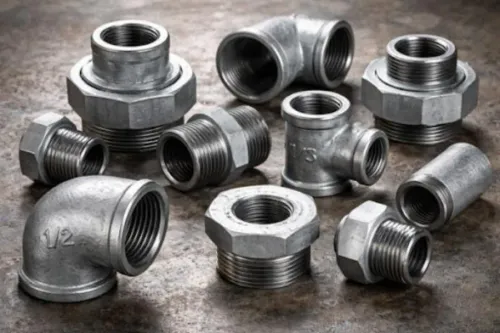
Elbows, tees, sockets, unions, reducers, plugs, and other fittings serve different installation functions.
Procurement lists should clearly separate each configuration.
Using vague descriptions such as “assorted threaded fittings” may be convenient during an initial discussion but is not sufficient for accurate industrial procurement.
Mistake Four Ignoring Operating Conditions
The intended service should always be considered.
Pressure, temperature, fluid characteristics, and environmental conditions can influence material and fitting selection.
A fitting used for a general utility line may face very different conditions from one installed within process equipment.
Mistake Five Comparing Incomplete Quotations
Commercial comparison becomes unreliable when suppliers quote different specifications.
Before comparing prices, ensure every quotation is based on the same:
- Fitting configuration
- Size
- Material requirement
- Thread specification
- Standard
- Quantity
Any deviations should be identified before a purchase decision.
Mistake Six Waiting Until Dispatch to Discuss Documentation
If the project requires specific documentation, communicate it during the enquiry stage.
Late documentation requests can complicate material approval and dispatch planning.
This is especially relevant for EPC work where the end client may have defined procurement documentation procedures.
Mistake Seven Purchasing Connected Components in Isolation
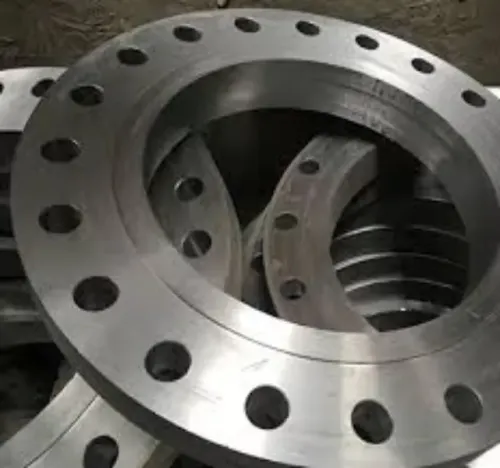
Threaded fittings rarely exist alone. They form part of systems containing pipes, valves, flanges, instruments, and equipment.
Considering connected components together can make compatibility discussions easier.
S A Enterprise handles industrial requirements across fittings, valves, flanges, and steel piping solutions. For contractors working in Chakan, a consolidated bill of materials can provide a clearer basis for technical and commercial evaluation.
Create a Pre-Purchase Checklist
Before finalizing an order, confirm the approved specification, quantities, fitting configurations, thread details, material requirements, documentation, and delivery priorities.
For maintenance work, physical verification of the existing component may also be useful when records are incomplete.
Threaded fittings may be relatively small parts of an industrial piping system, but their quantity makes procurement accuracy particularly important.
Avoiding specification shortcuts helps contractors reduce site mismatches and keeps material planning aligned with actual installation requirements.
Keywords