Industrial fluid systems often require more than simple on-and-off control. In applications involving instrumentation, pressure measurement, sampling lines, hydraulic circuits, and process equipment, operators may need to regulate relatively small quantities of fluid with greater precision. This is where needle valves have an important role.
For engineering teams in Pune, understanding how a Needle Valve Manufacturer designs and supplies these valves can help with specification, maintenance planning, and procurement.
How a Needle Valve Works
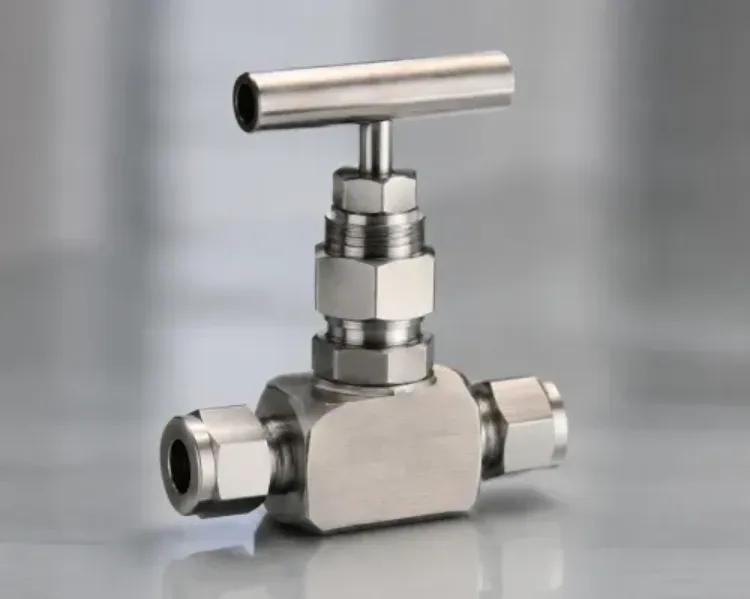
A needle valve uses a slender, tapered stem that moves gradually into and out of a matching seat. Turning the handle changes the opening in small increments, allowing controlled adjustment of flow.
This operating principle makes needle valves particularly useful where gradual regulation matters more than rapid opening and closing.
Common applications include:
- Pressure gauge isolation
- Instrumentation systems
- Sampling lines
- Hydraulic equipment
- Pneumatic circuits
- Process control systems
- Test benches
- Chemical processing equipment
The suitability of a particular valve still depends on pressure, temperature, fluid properties, connection type, and material compatibility.
Why Material Selection Matters
Valve body material is an important engineering consideration because the valve remains in direct contact with the process medium.
Depending on the application, buyers may evaluate materials based on:
- Corrosion resistance
- Mechanical strength
- Operating temperature
- Pressure requirements
- Chemical compatibility
- Expected service life
The correct choice should be based on actual process conditions rather than selecting a valve purely by nominal size.
Connection Type Is Equally Important
Needle valves may be required with different connection arrangements depending on the piping and instrumentation layout.
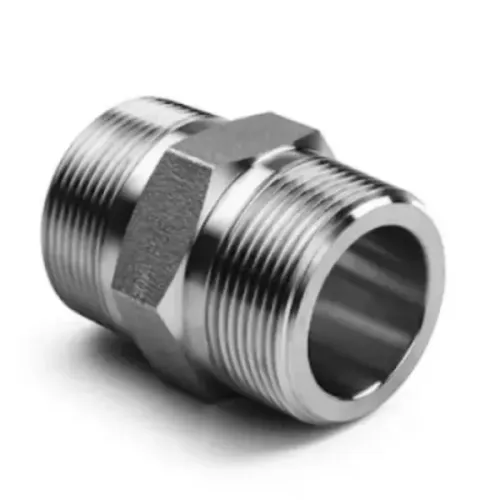
Thread specifications, end connections, pressure ratings, and dimensional requirements should therefore be confirmed before procurement. A valve that appears suitable based only on its size may still be incompatible with the installation if the connection standard is incorrect.
This is particularly relevant for EPC contractors and maintenance teams managing systems containing components sourced from multiple manufacturers.
Where Precise Flow Adjustment Helps
Consider a pressure instrument connected directly to a process pipeline. Sudden pressure changes may make controlled isolation desirable. A correctly specified needle valve can provide gradual adjustment between the process line and the instrument.
Similar requirements occur in laboratory systems, industrial machinery, hydraulic equipment, and process plants.
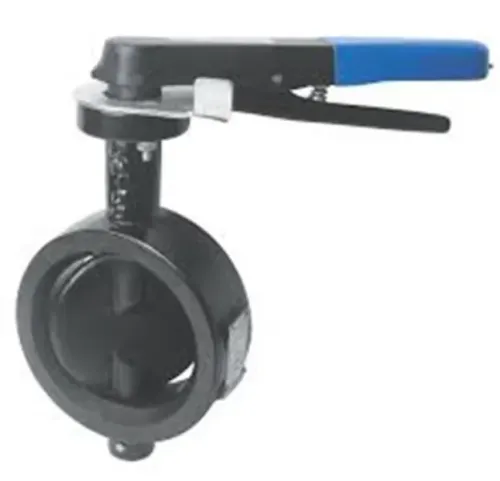
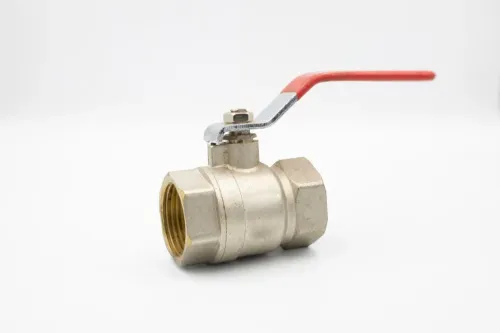
Needle valves are therefore not simply smaller versions of general-purpose isolation valves. Their internal geometry is intended for applications where controlled adjustment is important.
Procurement Details Worth Checking
Before placing an enquiry, engineering and procurement teams should ideally prepare:
- Valve size
- Body material
- Pressure rating
- Operating temperature
- Process medium
- Connection specification
- Required quantity
- Applicable technical standard
- Installation conditions
Providing this information helps a manufacturer or supplier identify a technically appropriate configuration without unnecessary back-and-forth.
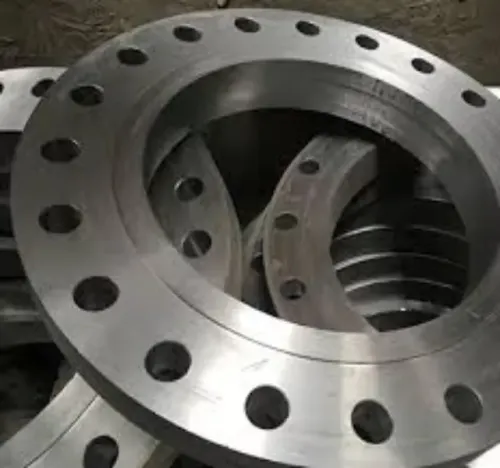
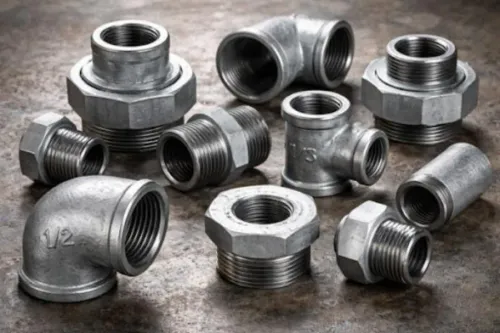
S A Enterprise supports industrial customers requiring valves, pipe fittings, flanges, and associated steel piping components. For projects in Pune, coordinating multiple related piping requirements through an industrial supplier can also simplify technical discussions and material planning.
Better Valve Selection Begins With Application Data
A needle valve should ultimately be selected according to what the system needs it to do. Size alone does not determine suitability.
Engineers should examine flow-control requirements, medium compatibility, pressure conditions, end connections, and the operating environment as a complete specification.
For industrial facilities across Pune, careful valve selection can contribute to more reliable instrumentation and process piping arrangements while reducing the likelihood of installation mismatches.
Keywords