Pipe fittings may occupy only a small portion of an industrial piping network, but their role is fundamental. Every change in direction, branch connection, diameter transition, and termination must be handled using components appropriate for the system.
This is why experienced Buttweld Pipe Fittings Manufacturers focus on dimensional consistency, material specifications, wall thickness, manufacturing quality, and compatibility with the pipe being installed.
For process industries, engineering contractors, and fabrication companies operating in Pune and Maharashtra, understanding these fundamentals can reduce fabrication difficulties and specification errors.
How Buttweld Fittings Work
Buttweld fittings are designed to be welded directly to matching pipe ends. After correct preparation, alignment, welding, and inspection, they become an integrated part of the piping system.
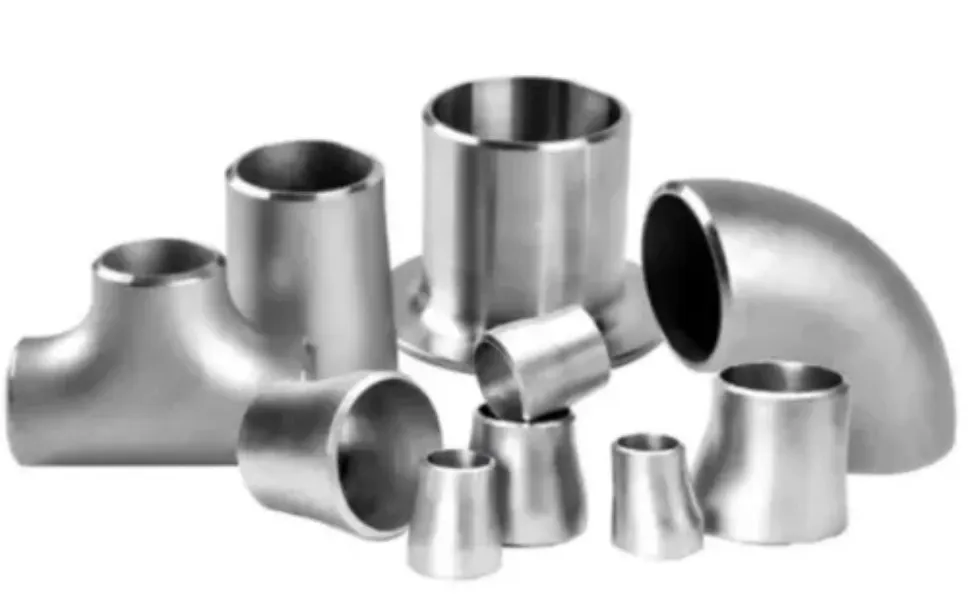
Common buttweld fittings include:
- Long-radius elbows
- Short-radius elbows
- Equal tees
- Reducing tees
- Concentric reducers
- Eccentric reducers
- End caps
- Cross fittings
Each component performs a specific piping function.
Why Dimensions Are Important
Dimensional accuracy directly affects fabrication.
If an elbow, tee, or reducer does not correspond properly with the specified pipe dimensions, fabricators can face alignment difficulties. This may increase fit-up time and complicate welding.
Buyers should therefore check details such as nominal pipe size, schedule, wall thickness, fitting type, dimensions, and relevant manufacturing standard.
For project procurement teams, using complete specifications also makes supplier quotations easier to compare.
Fitting Schedule Should Match Engineering Requirements
One common purchasing mistake is identifying only the nominal size.
A fitting described simply as a “4-inch elbow” does not provide enough information for industrial procurement.
The wall thickness or schedule must also be established according to the piping design. Depending on the system, requirements could involve Schedule 10, Schedule 40, Schedule 80, or another specified wall thickness.
The correct requirement comes from engineering documentation rather than assumptions.
Reducers Need Special Consideration
Reducers allow pipelines of different diameters to connect smoothly.
A concentric reducer maintains a common centreline, while an eccentric reducer has an offset configuration. The appropriate type depends on system layout and engineering requirements.
In certain horizontal piping arrangements, eccentric reducers may help address operational concerns associated with unwanted accumulation of gas or liquid. Installation orientation must follow the system design.
Material Traceability Can Be Important
Industrial piping projects may require documentation that confirms material grade or compliance with project specifications.
This becomes especially important in process industries, infrastructure projects, and installations where inspection requirements are stringent.
Engineering buyers in Pune should determine documentation requirements before ordering rather than requesting certificates after materials have already arrived.
Welding Quality Extends Beyond the Fitting
Even a correctly manufactured fitting depends on proper field fabrication.
Pipe-end preparation, alignment, welding procedure, welder qualification, inspection, and post-weld requirements can all influence the completed joint.
The fitting should therefore be viewed as one element within a complete quality-controlled piping process.
Companies such as S A Enterprise support industrial piping requirements where buyers need fittings specified according to application and project documentation.
Reliable procurement from Buttweld Pipe Fittings Manufacturers ultimately depends on more than finding the correct nominal diameter. Material, schedule, dimensions, fitting geometry, standards, and documentation should all be established before purchasing. This specification-driven approach can make piping fabrication more predictable for industrial projects throughout Pune and Maharashtra.
Keywords