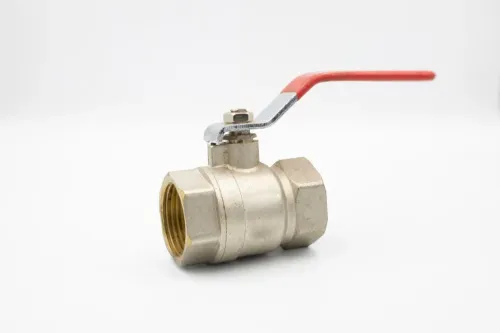
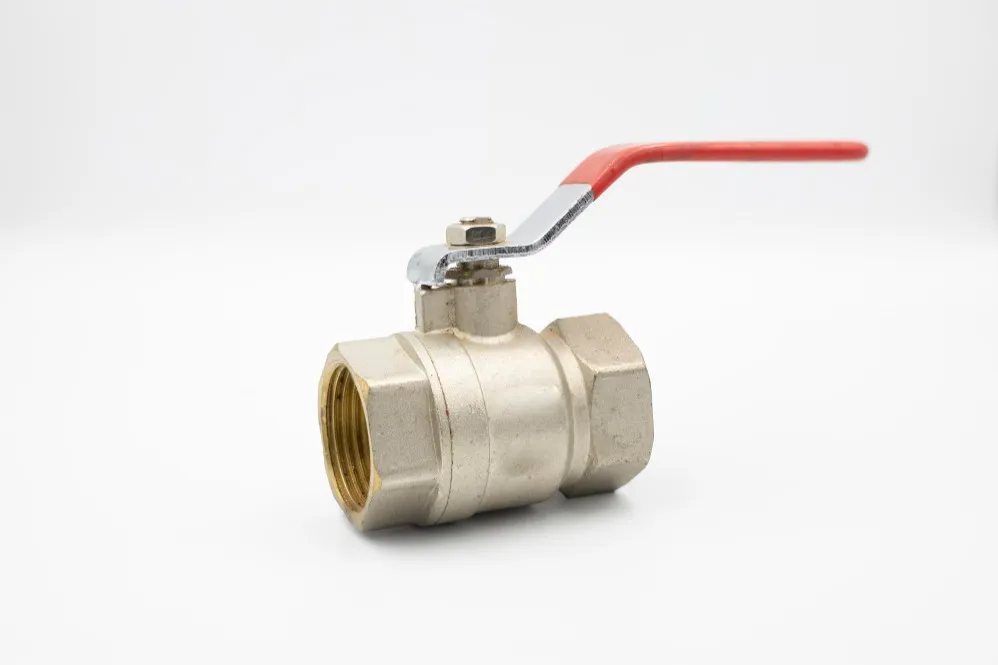
Ball valves are widely used where piping systems require practical isolation and relatively quick operation. Their broad industrial use, however, means buyers encounter many combinations of materials, pressure classes, end connections, seat materials, and operating mechanisms.
Choosing among Ball Valve Manufacturers for a project in Bhosari therefore requires a structured evaluation of technical suitability and supply readiness.
Define the Application Before Requesting Prices
The first step is identifying where the valve will be installed.
Procurement teams should establish the process medium, line size, operating pressure, temperature, required connection, valve construction, and method of operation.
Without this information, suppliers may quote technically different products under the same general description of “ball valve.”
Confirm Construction Requirements
Ball valves are available in multiple construction arrangements.
The project specification may define factors such as body configuration, bore arrangement, seat material, stem construction, end connections, and operation.
These details can influence suitability for a particular application.
Buyers should therefore request compliance with the approved valve datasheet rather than selecting construction purely based on price.
Check Material Compatibility
Body material is only one aspect of valve compatibility.
Seat and sealing materials can also be important depending on the medium and temperature.
Chemical service, water applications, compressed air, utility lines, and process fluids may each place different demands on valve materials.
Engineering approval should guide the final selection.
Look for Clear Technical Quotations
A useful supplier quotation should allow the buyer to identify what is actually being offered.
Procurement teams should be able to compare the quoted valve against the required size, class, material, connection, and specification.
When an offer contains deviations, these should be clarified before issuing the purchase order.
Evaluate Availability Across the Project Requirement
A project may require several valve sizes and quantities rather than one isolated item.
Supplier evaluation should therefore consider whether the required combination can be coordinated within the project schedule.
Partial availability may still be workable, but procurement teams need visibility so installation priorities can be planned.
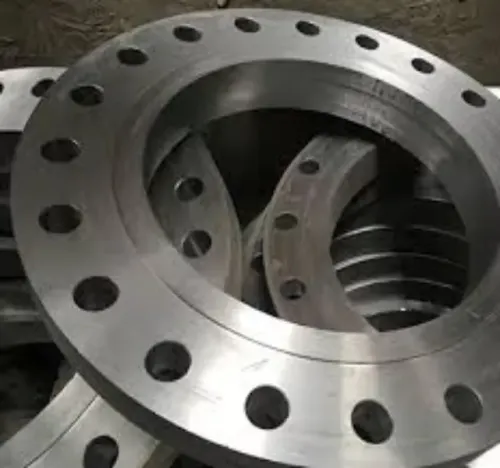
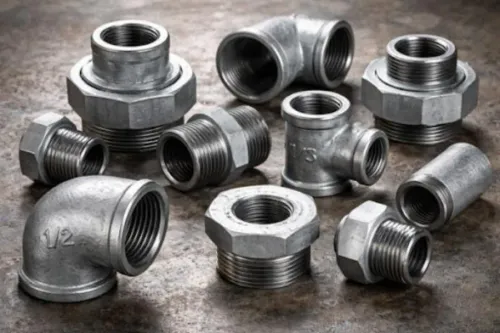
S A Enterprise supports industrial buyers with valves alongside flanges, pipe fittings, and steel pipe requirements. For Bhosari-based OEMs, contractors, and manufacturing plants, this can be useful where the valve package forms part of a larger piping bill of materials.
Include Documentation in the Evaluation
Where documentation is specified, confirm requirements before finalizing the purchase.
Project-specific requirements may include relevant material or testing records depending on the valve and application.
Documentation should be evaluated alongside technical compliance rather than treated as an afterthought.
Watch for Readiness Indicators
A procurement requirement is generally ready for quotation when the buyer has confirmed:
- Valve type
- Size
- Material
- Pressure rating
- End connection
- Process medium
- Operating conditions
- Quantity
- Required documentation
- Delivery priority
The more complete this information is, the easier it becomes to obtain comparable quotations.
For industrial buyers in Bhosari, selecting a ball valve source is not simply about finding a product in the correct diameter. The stronger procurement decision considers application compatibility, specification compliance, documentation, availability, and total project coordination together.
Keywords