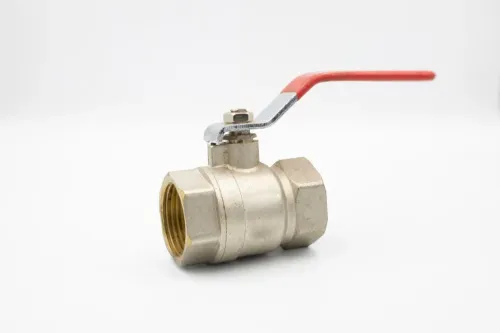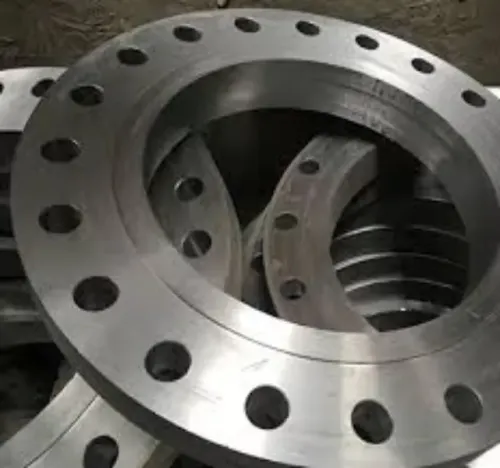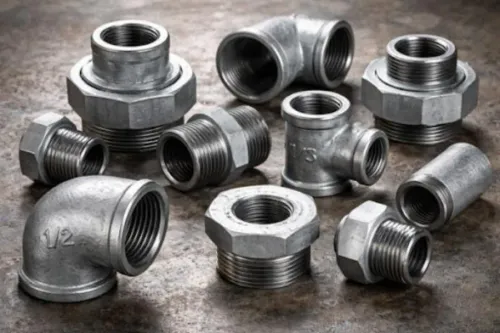
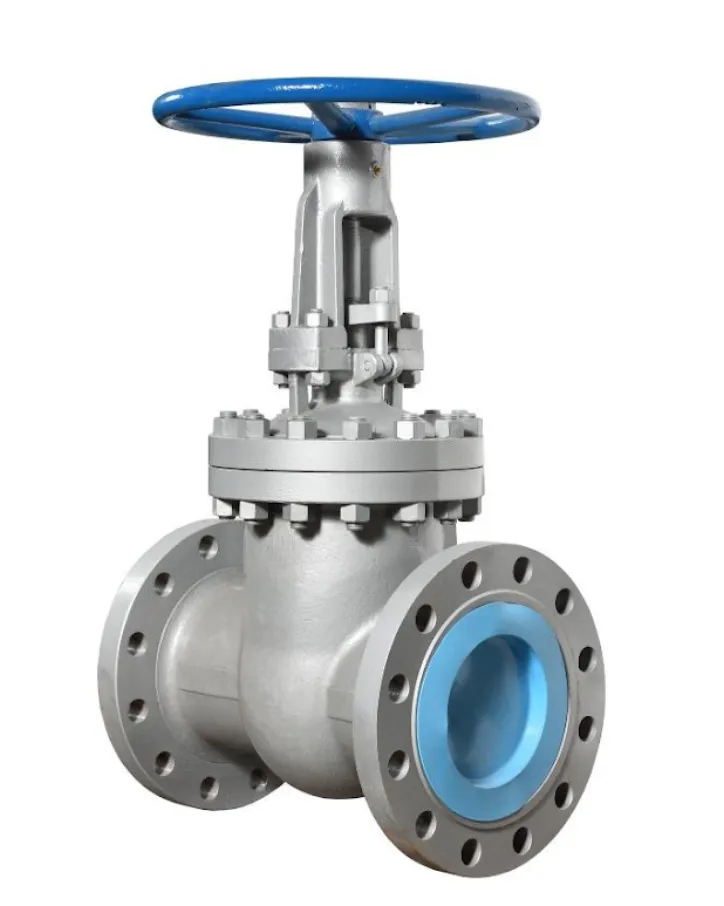
Valve selection becomes increasingly important when piping systems operate under demanding pressure, temperature, and process conditions. In such applications, Forged Steel Valves may form part of an engineered valve specification based on the plant's piping class and service requirements.
For process industries in Pune, evaluating these valves requires a technical approach that considers construction, pressure class, end connections, materials, and operating duty.
Start With the Valve Function
The first question should be what the valve is expected to do.
Depending on system design, a valve may be required for:
- Isolation
- Flow control
- Backflow prevention
- Equipment isolation
- Drainage
- Venting
- Process line management
The required function influences the valve type.
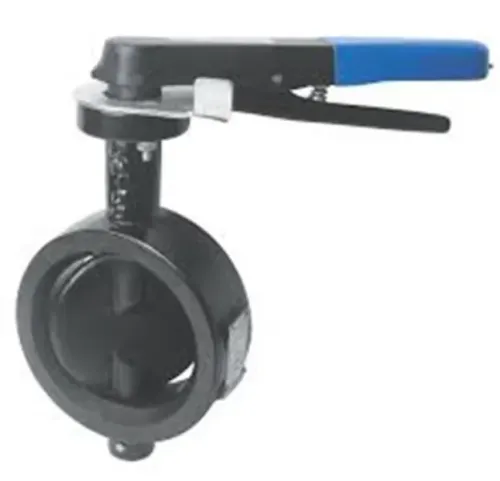
Gate, globe, and check valves, for example, perform different roles and should be selected according to engineering requirements rather than treated as interchangeable products.
Understand Service Conditions
Process conditions determine much of the valve specification.
Engineering teams should establish:
- Process medium
- Design pressure
- Design temperature
- Normal operating conditions
- Required valve size
- Pressure class
- End connection
- Material specification
This information should ideally come from approved project documents such as piping material specifications, line lists, and datasheets.
Pay Attention to End Connections
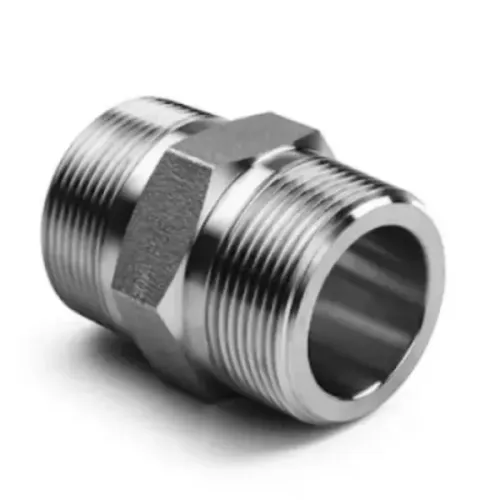
Forged steel valves may be specified with different connection arrangements depending on the system.
The end connection must correspond with the piping design. Changing from one connection style to another can affect installation and should not be done casually during procurement.
For replacement valves, buyers should verify the existing installation carefully rather than relying solely on an old purchase description.
Material Compatibility Remains Essential
The term forged steel describes a manufacturing route and broad product category, but buyers still need to identify the required material specification.
Body, trim, seat, and other relevant component materials may need to correspond with process conditions.
Chemical exposure, temperature, pressure, and corrosion considerations should all be evaluated through the project specification.
Documentation Can Influence Supplier Selection
Process plants often maintain stricter documentation requirements than general utility installations.
Depending on the project, procurement teams may need material documentation, testing information, identification, or other records.
These requirements should be included in the RFQ so suppliers understand them before quoting.
S A Enterprise works with industrial valve, flange, fitting, and steel pipe requirements. For Pune-based process projects, discussing valves as part of the broader piping specification can help procurement teams coordinate connected components more effectively.
Common Procurement Mistakes
Several avoidable issues occur when valve requirements are incomplete.
One is ordering by nominal size without specifying class. Another is failing to identify the exact end connection. A third is substituting valve types based on availability without engineering confirmation.
Incomplete information can produce quotations that appear competitive but are not technically comparable.
A Better Evaluation Method
Create an item-wise valve schedule containing the valve type, size, pressure class, material, end connection, applicable standard, quantity, and documentation requirements.
Then evaluate quotations against this schedule.
Commercial terms should remain important, but they should be assessed after confirming technical compliance.
For industrial facilities in Pune, forged steel valve procurement works best when engineering and purchasing teams share a common specification. The result is a clearer comparison process and a lower risk of receiving components that do not correspond with the intended piping system.
Keywords