Industrial piping systems often operate under conditions where pressure, temperature, fluid characteristics, and operating cycles place significant stress on every component. In such environments, Forged Steel Valves are commonly considered because their manufacturing process produces a dense, mechanically strong valve body suitable for demanding applications.
For engineering companies, process plants, fabrication contractors, and industrial projects in Pune and across Maharashtra, understanding where forged valves fit into a piping system can help improve specification accuracy and long-term reliability.
What Makes a Valve Forged
Forging involves shaping metal under controlled compressive force. Instead of simply pouring molten material into a mould, the material is mechanically worked to produce the required form.
The process can help create a refined grain structure and reduce certain internal discontinuities. This is particularly relevant when components are expected to operate under elevated pressure or temperature.
Forged valve bodies are commonly associated with:
- High-pressure piping
- Steam lines
- Oil and gas applications
- Chemical processing
- Power generation
- Boiler systems
- Process utilities
- High-temperature fluid handling
However, the word “forged” alone does not determine whether a valve is suitable for a particular application.
Valve Selection Begins With Service Conditions
A technically correct selection starts with operating data.
Engineers should identify the normal operating pressure, design pressure, normal temperature, maximum temperature, fluid being handled, connection type, required valve function, and applicable piping standard.
The same forged steel valve cannot automatically be used across every line in a facility.
For example, a valve handling high-pressure steam may require different trim, sealing, pressure class, and material considerations from one used for hydrocarbon service.
Common Types Used in Industrial Systems
Forged construction can be found across several valve designs.
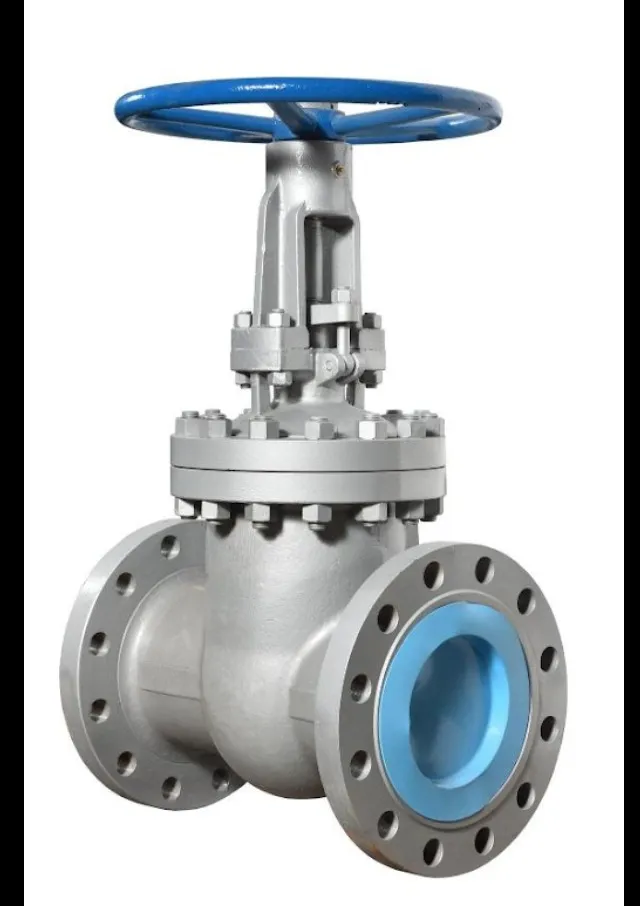
Forged gate valves are generally associated with isolation duties where a relatively unrestricted flow path is required when fully open.
Forged globe valves may be selected when flow regulation is an important consideration.
Forged check valves help prevent unwanted reverse flow within a piping system.
Different configurations may also be available with socket-weld, threaded, flanged, or other connection arrangements depending on the specification.
Material Compatibility Still Matters
A strong valve body does not solve a material compatibility problem.
Engineers must consider whether the body, trim, seat, stem, gasket, and other wetted components are compatible with the process fluid and operating temperature.
Corrosive media, aggressive chemicals, high-temperature steam, and specialised process fluids may require different material combinations.
This is why purchasing only by valve size can create avoidable problems.
Pressure Class Needs Proper Attention
Industrial buyers should distinguish between nominal pipe size and pressure rating.
Two valves with the same nominal size can have very different operating capabilities. Pressure-temperature ratings, applicable standards, end connections, and material grades should therefore be verified before procurement.
For industrial projects around Pune, this becomes particularly important when multiple contractors and engineering teams are working from different bills of materials.
Documentation Supports Better Procurement
A well-prepared valve enquiry should contain enough technical information for accurate identification.
Useful details include:
- Valve type and size
- Body material
- Pressure class
- End connection
- Trim requirements
- Applicable standard
- Fluid service
- Design pressure and temperature
- Quantity
Suppliers such as S A Enterprise can work more effectively with industrial enquiries when specifications are clearly defined rather than limited to a generic valve description.
Ultimately, Forged Steel Valves should be selected as engineered piping components rather than interchangeable commodities. Understanding service conditions, materials, pressure ratings, and connection requirements helps Pune-based industrial buyers procure valves that are better aligned with the actual demands of their piping systems.
Keywords