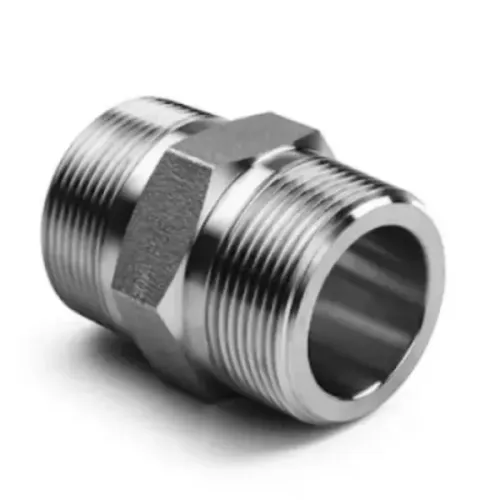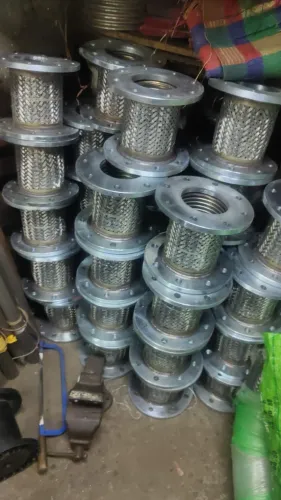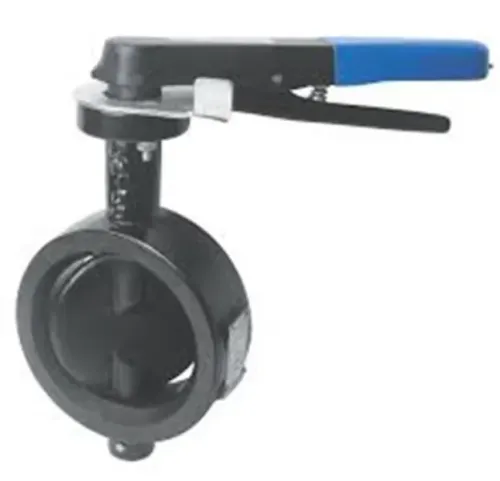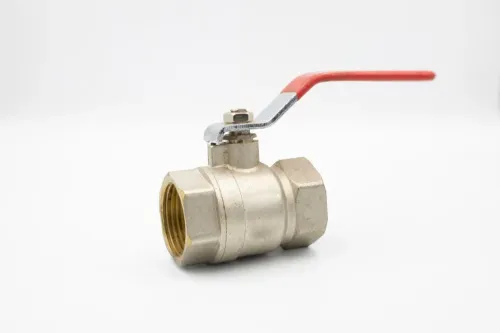
Threaded fittings are convenient components for piping systems where connections need to be assembled without welded joints. Yet convenience should not encourage casual procurement. Size, thread compatibility, material, application conditions, and specified standards all influence whether a fitting is suitable.
When sourcing GI ISI Threaded Fittings, industrial buyers in Bhosari should evaluate the complete requirement rather than relying only on a familiar product description.
Confirm the Intended Application
Galvanized iron threaded fittings are encountered in a range of piping applications, but not every piping service has identical requirements.
Before selection, identify:
- Fluid being handled
- Operating pressure
- Operating temperature
- Pipe size
- Installation environment
- Thread specification
- Applicable project standard
These details help determine whether the proposed fitting is appropriate for the intended service.
Check Thread Compatibility Carefully
A threaded fitting can have the correct nominal size and still be unsuitable if the thread specification differs from the connected component.
Thread form, pitch, and relevant standard should therefore be checked rather than assumed.
This matters particularly in maintenance work where existing installations may contain components sourced at different times.
Forcing incompatible threads can damage fittings and create unreliable connections.
Understand What the Project Specification Requires
If an engineering document specifies an ISI-marked product or a particular Indian Standard, procurement should follow the approved requirement.
Buyers should verify the exact specification applicable to the item instead of using “ISI” as a generic indication of quality.
This distinction matters because industrial purchasing needs traceable technical requirements, not assumptions based on product labels.
Inspect Physical Condition Before Installation
Threaded fittings should reach the site in suitable condition for installation.
Procurement and stores teams can check for:
- Visible thread damage
- Significant coating damage
- Incorrect fitting configuration
- Dimensional mismatch
- Transit damage
- Incorrect quantities
Identifying discrepancies during receipt inspection is easier than discovering them when fitters are already waiting at the installation point.
Avoid Buying by Price Alone
For high-volume projects, small differences in fitting prices can appear commercially significant. However, the total cost of an unsuitable fitting includes more than its purchase price.
Incorrect materials can result in reordering, labour delays, disrupted installation schedules, and additional logistics.
Commercial comparison should therefore happen after confirming that competing quotations meet the same specification.
S A Enterprise supplies industrial piping products including threaded fittings, valves, flanges, and steel piping components. For businesses in Bhosari, sending item-wise technical requirements can help simplify quotation evaluation and procurement planning.
Prepare a Clear Requirement List
For each fitting, mention the configuration, size, required specification, quantity, and any relevant certification requirement.
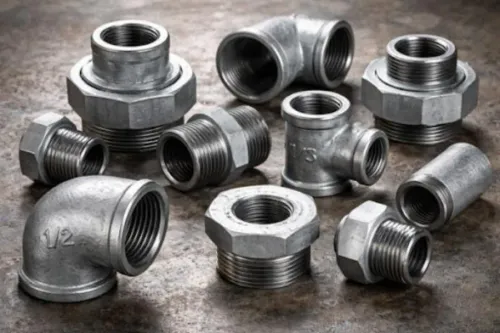
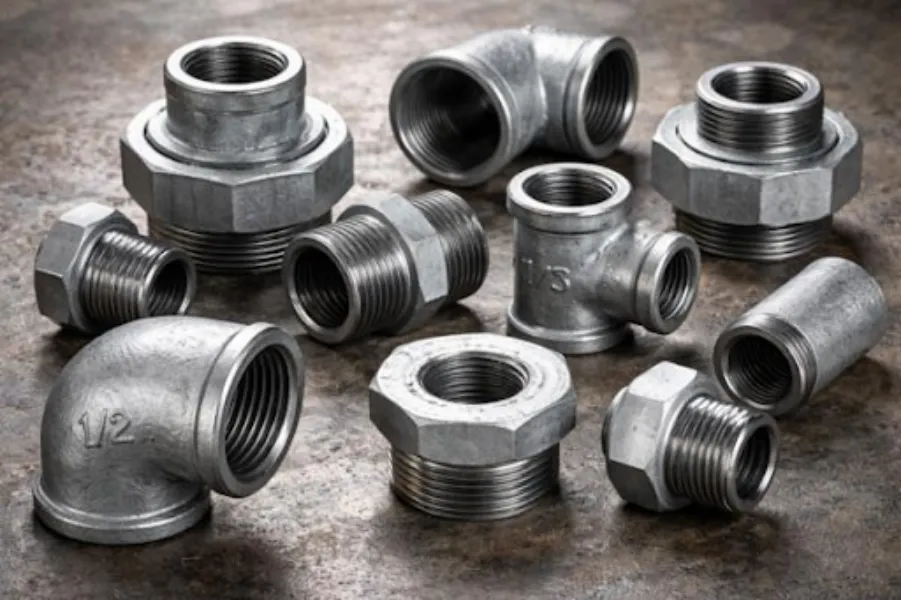
Instead of writing only “GI fittings required,” separate elbows, tees, sockets, unions, nipples, reducers, and other required components into clear line items.
This helps prevent quantity and configuration errors.
Make Compatibility the Priority
Threaded fittings are often treated as routine purchases because they are familiar components. In an industrial installation, however, a small connection mismatch can delay an entire section of work.
A better buying process starts with application conditions and follows with dimensional compatibility, standards, product condition, availability, and commercial comparison.
For plant teams, contractors, and industrial buyers in Bhosari, this approach makes GI threaded fitting procurement more predictable and easier to manage.
Keywords