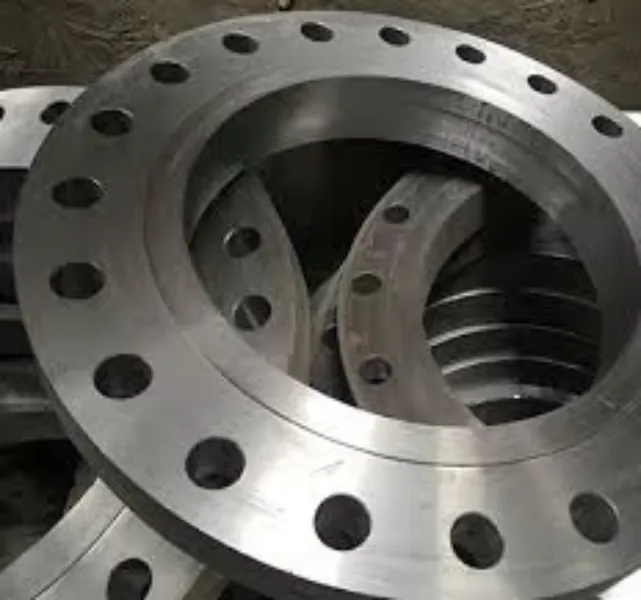
Flanges create detachable connections between pipes, valves, pumps, vessels, and other equipment. Because these joints may be exposed to substantial internal pressure, temperature changes, vibration, and mechanical loads, flange selection deserves careful engineering attention.
Understanding the production considerations followed by Carbon Steel Flanges Manufacturers can help industrial buyers evaluate specifications more accurately.
Different Flanges Serve Different Functions
Industrial piping systems use several flange configurations.
Common examples include:
Weld neck flanges with a tapered hub designed for welded connection to piping.
Slip-on flanges that slide over the pipe before welding.
Blind flanges used to close piping ends, nozzles, and openings.
Socket-weld flanges used in appropriate smaller-bore applications.
Threaded flanges that can be connected without welding in suitable services.
The correct configuration depends on the piping design rather than purchasing preference alone.
Material Grade Is a Core Specification
“Carbon steel” describes a broad material category rather than one universal grade.
Projects may specify a particular material according to pressure, temperature, fabrication, and applicable code requirements.
Procurement teams should therefore use the material designation shown in approved drawings, piping material specifications, or bills of materials.
Substituting material without engineering approval can introduce compliance and performance concerns.
Dimensions Must Follow the Required Standard
A flange has multiple critical dimensions, including outside diameter, thickness, bolt-hole arrangement, bore, raised-face dimensions where applicable, and hub geometry.
These dimensions need to correspond with the specified standard and pressure class.
For Pune-based fabrication companies, dimensional consistency is particularly important when flanges supplied from different sources must interface with existing valves, equipment, or prefabricated piping.
Flange Facing Affects the Joint
The flange face provides the contact area associated with the gasketed joint.
Different facing arrangements can be specified according to service and system design. Surface finish may also matter because the gasket needs an appropriate seating surface to achieve the intended seal.
A visually smooth flange is not automatically proof that the required surface specification has been achieved.
Inspection Requirements Vary
Projects can have different quality-control requirements depending on industry, service criticality, and contractual specifications.
Inspection may involve dimensional checks, material verification, visual examination, marking review, documentation, and other tests where specified.
Buyers should communicate these requirements at the enquiry stage.
Better Enquiries Produce Better Procurement Outcomes
When approaching Carbon Steel Flanges Manufacturers or industrial suppliers, provide complete information rather than requesting only “CS flanges.”
A useful enquiry normally identifies:
- Flange type
- Nominal size
- Pressure class
- Material grade
- Applicable standard
- Facing requirement
- Bore or schedule requirement
- Quantity
- Documentation requirements
S A Enterprise supports piping-component procurement for industrial customers in Pune and other Maharashtra markets where specification matching is an important part of the buying process.
A flange is ultimately part of a pressure-containing joint. Treating material grade, dimensions, class, facing, and documentation as essential purchasing information helps contractors and engineering teams reduce compatibility problems before components reach the fabrication shop or project site.
Keywords