Steam and regulated pressure-system applications require a different level of procurement attention from ordinary utility piping. When a project specifies IBR Certified Valves, buyers need to ensure that the supplied product and documentation correspond with the applicable regulatory and project requirements.
For engineering companies and industrial facilities in Chakan, this means certification should be treated as a technical procurement requirement rather than a marketing description.
Understand Why IBR Requirements Matter
The Indian Boiler Regulations apply to specified boiler-related equipment and associated systems falling within their scope.
Whether a particular valve requires IBR compliance depends on the application and regulatory requirements applicable to the installation.
Engineering teams should therefore establish the requirement through approved project specifications and applicable regulatory criteria before procurement begins.
Do Not Rely on the Product Name Alone
A supplier describing a valve as suitable for steam service does not automatically establish compliance with a project's IBR requirement.
Buyers should confirm the exact valve specification and required supporting documentation.
This distinction is important for EPC contractors because project material approval may depend on documentary compliance as well as physical product suitability.
Provide Complete Valve Details
A request stating only “IBR valve required” leaves too many variables undefined.
A stronger enquiry should identify:
- Valve type
- Nominal size
- Pressure class
- Body material
- End connection
- Service medium
- Design conditions
- Quantity
- Applicable standard
- Required certification and documentation
This enables a supplier to determine whether the requested configuration can be offered against the stated requirement.
Match the Valve Type to Its Function
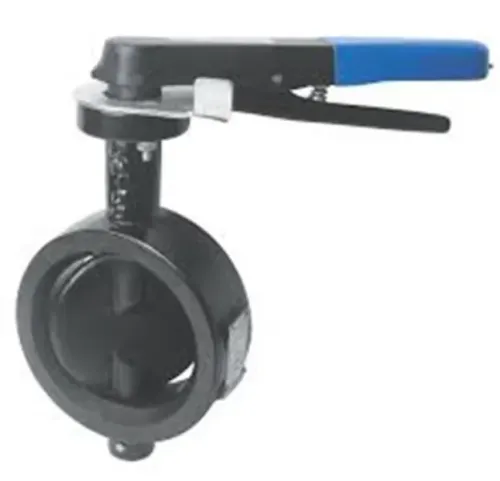
Gate, globe, check, and other valve types perform different functions within piping systems.
A project may use one valve for isolation and another for a different operational requirement.
Procurement teams should follow approved piping and instrumentation documents rather than substituting valve types based on availability.
Verify Documentation Before Dispatch
Documentation requirements should be agreed before the purchase order is finalized.
Depending on the project and product, the buyer may need specific certification, identification, testing records, or other documentation required under the approved specification.
Reviewing these requirements early helps prevent material reaching the site without the records needed for acceptance.
S A Enterprise supplies industrial valve and piping requirements for engineering customers. For projects in Chakan involving regulated applications, clear communication of the required valve specification and certification expectations is particularly important.
Check Delivery Readiness
Before issuing an order, verify whether the required quantities, sizes, specifications, and documentation can be coordinated within the project schedule.
For shutdown work, this is especially important because valve replacement may be tied to a narrow maintenance window.
A low-priced product delivered after the required shutdown period may offer little practical value.
Use a Compliance-Led Procurement Process
The safest procurement sequence is to establish the technical requirement first, confirm applicable compliance and documentation second, assess availability third, and compare commercial terms after these conditions are understood.
This avoids treating certification as an optional feature added after supplier selection.
For industrial buyers in Chakan, sourcing IBR-specified valves should remain closely connected to engineering documentation and applicable regulatory requirements. Accurate specifications, documentary verification, and delivery planning provide a much stronger purchasing basis than choosing valves through size and price alone.
Keywords