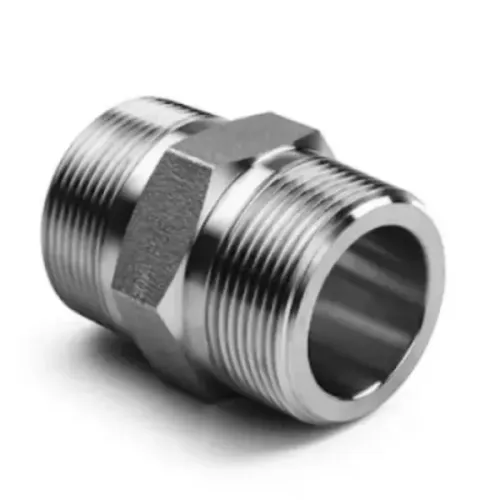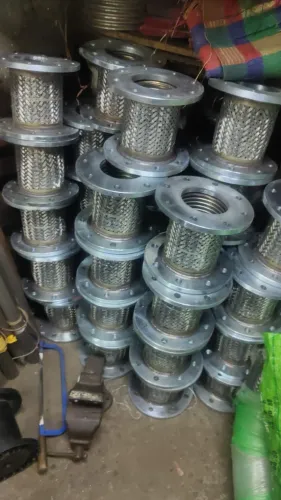
Industrial erection involves far more than positioning major machinery and connecting pipelines. A large number of supporting components are required to secure, align, suspend, anchor, and stabilize equipment during installation. These components collectively form an important part of erection hardware requirements.
For EPC contractors, mechanical contractors, fabrication companies, and plant engineering teams in Chakan, working with dependable Erection Hardware Suppliers can make material coordination significantly more manageable.
What Industrial Erection Hardware Includes
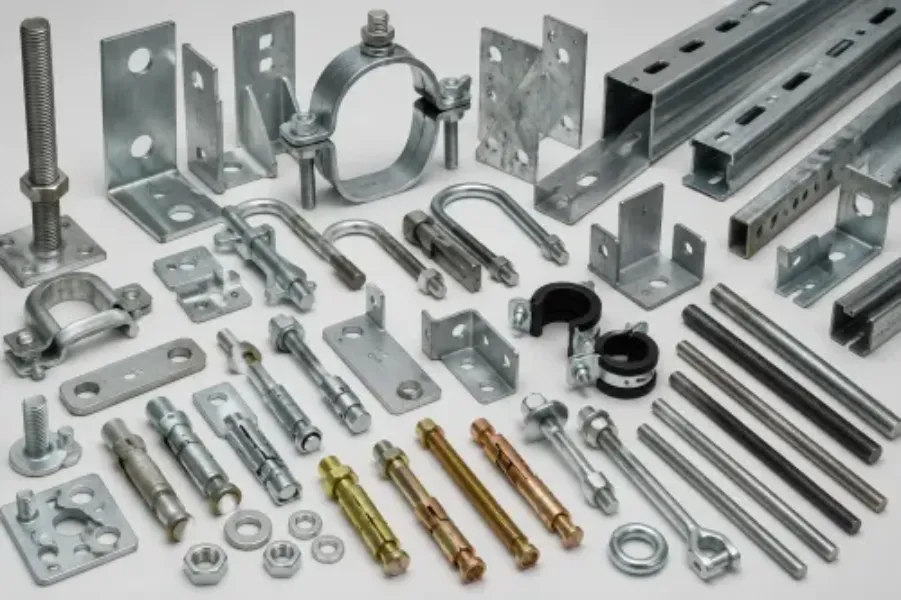
The exact requirement varies by project, but erection hardware can include components used for mechanical support, structural fastening, piping installation, and equipment mounting.
Typical requirements may involve:
- Fastening components
- Supporting hardware
- Anchoring components
- Pipe support accessories
- Mounting hardware
- Structural connection components
- Fabrication-related accessories
- Installation hardware for plant equipment
These items may look relatively small compared with pumps, tanks, piping systems, and production machinery, yet missing hardware can interrupt installation activities.
Why Small Components Can Affect Large Projects
Industrial erection usually follows a sequence. Mechanical equipment may need to be positioned before piping is aligned. Piping may need supports before testing can proceed. Structural and mechanical installations may also depend on hardware being available at the correct stage.
When a required component is missing, site teams can face unnecessary delays despite having the major equipment ready.
This makes hardware planning an important part of procurement rather than a last-minute activity.
Standardization Helps Site Teams
Industrial projects frequently involve multiple contractors and vendors. If each work package uses inconsistent hardware specifications, procurement and maintenance can become complicated.
Clear specifications help reduce this problem.
Project teams should define relevant details such as:
- Dimensions
- Material grade
- Surface finish
- Load-related requirements
- Applicable standards
- Quantity
- Installation environment
Accurate documentation also helps prevent substitutions based purely on visual similarity.
Corrosion Conditions Need Attention
Erection hardware may be installed indoors, outdoors, near process equipment, or in areas exposed to moisture and chemicals.
The surrounding environment should therefore influence material and finish selection.
For example, a component used inside a relatively dry facility may face different service conditions from hardware installed around water-treatment infrastructure or outdoor utility systems.
Procurement teams should communicate environmental exposure when requesting materials.
Planning Hardware Alongside Piping Materials
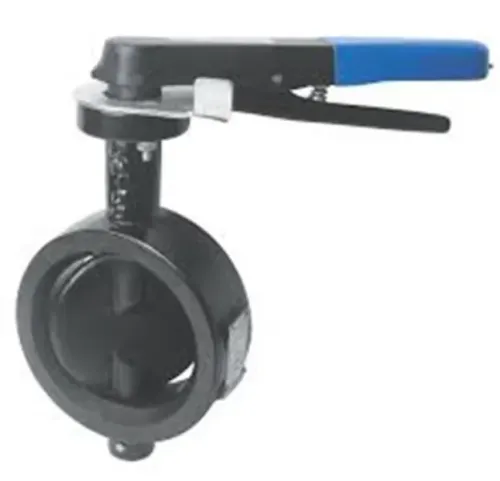
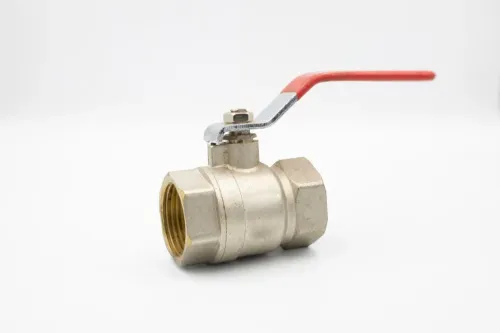
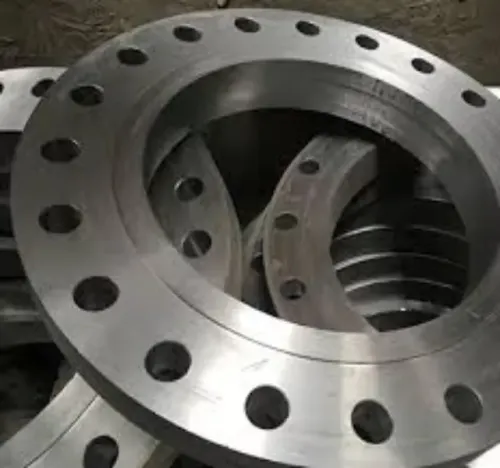
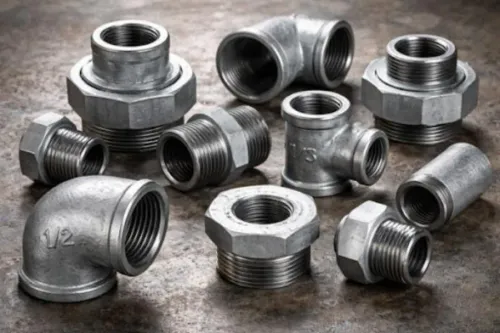
Many industrial projects require erection hardware at the same time as valves, flanges, pipe fittings, and steel piping components.
Coordinating related material categories can reduce fragmented purchasing and simplify communication between engineering and procurement teams.
S A Enterprise works with industrial requirements involving piping components, valves, flanges, fittings, and related materials. For contractors handling projects in Chakan, consolidating compatible requirements can make material scheduling more systematic.
A Practical Procurement Approach
Before sending a requirement to suppliers, prepare a bill of quantities containing specifications rather than only generic product names.
A useful enquiry should identify the component, dimensions, material, applicable standard, quantity, finish, and any project-specific requirement.
If drawings are available, relevant dimensions can also help clarify non-standard requirements.
Erection hardware may represent only a small portion of total project expenditure, but its availability affects actual site execution. Treating these components as planned procurement items helps contractors keep installation activities coordinated.
For industrial projects in Chakan, the strongest approach is straightforward — specify accurately, consolidate requirements where practical, and ensure materials correspond with the conditions in which they will actually be installed.
Keywords